Bonedo Synthesizers ditch the chatter and crank up the nostalgia, giving us a rocket-fuel tour through 45 years of Yamaha entertainer keyboards. From beige PS1 relics to the ultra-modern Genos, it’s a wild ride of plastic, MIDI ports, and questionable style voices. No hype – just raw sound, killer features, and the kind of design choices that spark both love and facepalms. If you want the real audio dirt, this is the journey.
2. July 2026
SPARKY
Bonedo Synthesizers Take Us from PS1 to Genos: Yamaha’s Entertainer Evolution in Overdrive
Yamaha 9000 Pro, Yamaha Genos, Yamaha PS1, Yamaha PS10, Yamaha PS2, Yamaha PS20, Yamaha PS3, Yamaha PS30, Yamaha PS6100, Yamaha PSR1700, Yamaha PSR2700, Yamaha PSR4500, Yamaha PSR4600, Yamaha PSR5700, Yamaha PSR6300, Yamaha PSR6700, Yamaha PSR7000, Yamaha PSR8000, Yamaha PSR90, Yamaha PSR9000, Yamaha Tyros
From Beige Boxes to Genos: The Yamaha Timeline
Bonedo Synthesizers throw us into Yamaha’s time tunnel, starting with the PS1—a mini-keyed, beige beauty that looks more like a ‘70s toaster than a synth legend. Early models like the PS2 and PS20 start bulking up, and by the 1980s, Yamaha are already pushing out a full family of keys, with the PS30 topping the pile. It’s a parade of plastic, but don’t be fooled: these boxes set the stage for everything that followed.
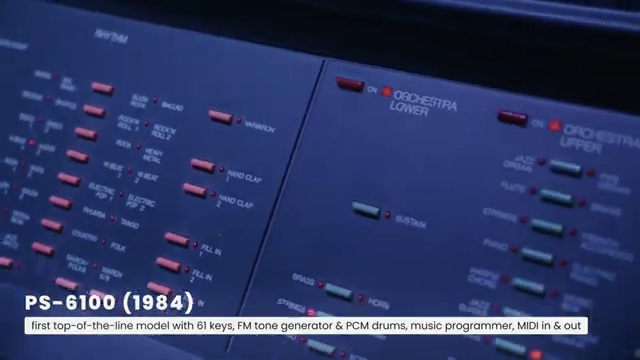
By 1984, the PS6100 lands, rocking 61 keys and a now-legendary FM engine borrowed from the DX7. Italian designer Mario Bellini gives it a slick new look, and MIDI makes its first entrance—finally, you can chain your gear like a proper studio rat. The tour blitzes through the PSR6300 and beyond, each model stacking on more features and a little more attitude, as Yamaha’s design DNA gets locked in for decades to come.
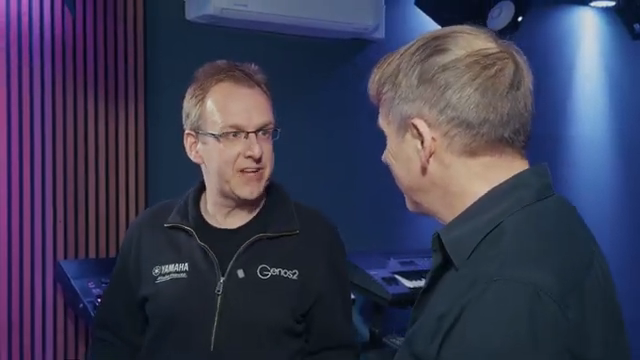
"We are celebrating the 45th anniversary of Yamaha Digital Keyboard."
© Screenshot/Quote: Bonedo Synthesizers (YouTube)
MIDI, Sampling, and the Roll Bar Rumble
"It was the first keyboard featuring MIDI onboard, which means you had these DIN jacks."
© Screenshot/Quote: Bonedo Synthesizers (YouTube)
Yamaha doesn’t just stop at making beige sound machines—they start packing in real innovations. The PSR4500 shows up with a number code system for selecting voices and styles (type 00 for piano—simple, if you don’t lose your cheat sheet). More wild is the roll bar modulation—no wheels, just roll your hand and mangle away. It’s a bold move, but, like all good synth oddities, gets dropped in favour of classic wheels before the ‘90s hit.
Sampling tech creeps in, giving the PSR series a sonic boost and a glimpse of things to come. By 1991, the PSR6700 is a chunky beast with 76 keys, a floppy drive, and a display that’s finally more than just numbers. Want to store your data? Floppy disks are the future—until, of course, they’re not. Auto-accompaniment gets real, variation buttons appear, and Yamaha’s keyboards start looking a lot less like toys and more like the street weapons we see today.
Design Shifts and UI: From Hidden Panels to Touches of Genius
Yamaha’s interface ideas bounce between genius and “what were they thinking?” Hidden panels, centre displays, and the infamous number pads come and go. By the PSR7000 in 1995, things settle into a groove: drawbar organs, mic inputs with effects, and the first hints of a proper ‘write’ system for voices. It’s all about keeping players feeling at home, even as features multiply.
The PSR8000 and PSR9000 keep the vibe rolling, adding XG tone generation, vocal harmonies, sample RAM, and even a music database to help less-inspired players pick a style and go. The 9000 Pro strips off the speakers, beefs up the keys, and opens the door to plug-in boards. Karaoke features, video outs, and a mess of rear-panel connections round out the package—just don’t try to move one without a forklift.
Stage Invaders: Yamaha’s Live Power and Legacy
Yamaha’s entertainer boards aren’t just studio curios—they’re built for the stage and have the scars to prove it. The PSR8000 was literally called the ‘Shamp’ and you still spot them on stages, battered but kicking. Karaoke, lyric displays, and vocal harmony options turn one-man bands into full-on rave bunkers.
Mid-class models don’t get left behind either. Features trickle down, so even the PSR90 and 1700 get some love: filter morphing, orchestration controls, and more real-time performance tweaks than most producers will ever use. Yamaha’s design philosophy is clear—innovate at the top, spread the goods downstream, and keep everyone’s fingers moving.
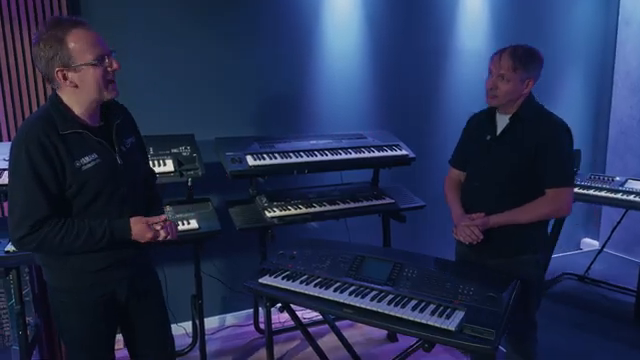
"You have the same display screen, but the display screen could display also the lyrics from midi song files so that you can have karaoke."
© Screenshot/Quote: Bonedo Synthesizers (YouTube)
You Need to Hear This Madness
Words won’t do justice to the sonic mayhem these keyboards dish out—Bonedo Synthesizers let the sounds speak for themselves. Want to hear the PS30 inside a modern Genos, or experience the infamous ‘speed metal’ style for yourself? You’ll need to hit play and witness the chaos. This video’s packed with raw audio, nostalgia, and enough oddball features to fill a rave bunker. Don’t just read—go listen.
This article is also available in German. Read it here: https://synthmagazin.at/bonedo-synthesizers-fuehren-uns-von-ps1-bis-genos-yamahas-entertainer-evolution-im-ueberholmodus/
Watch on YouTube:
Latest articles
Watch on YouTube:
Visit the channel:
https://www.youtube.com/Bonedo-Synthesizers
https://www.youtube.com/Bonedo-Synthesizers
Links from Bonedo-Synthesizers:
bonedo.de: https://bonedo.de
Facebook: https://facebook.com/bonedo.de
Twitter: https://twitter.com/bonedo
Sponsored links:
If you purchase via these links, we may earn a small commission – at no extra cost to you. The link opens an Amazon keyword search, and results may vary depending on availability.
Yamaha 9000 Pro
🔗 Check price on Amazon
🔗 Check price on Amazon
Yamaha Genos
🔗 Check price on Amazon
🔗 Check price on Amazon
Yamaha PS1
🔗 Check price on Amazon
🔗 Check price on Amazon
Yamaha PS10
🔗 Check price on Amazon
🔗 Check price on Amazon
Yamaha PS2
🔗 Check price on Amazon
🔗 Check price on Amazon
Yamaha PS20
🔗 Check price on Amazon
🔗 Check price on Amazon
Yamaha PS3
🔗 Check price on Amazon
🔗 Check price on Amazon
Yamaha PS30
🔗 Check price on Amazon
🔗 Check price on Amazon
Yamaha PS6100
🔗 Check price on Amazon
🔗 Check price on Amazon
Yamaha PSR1700
🔗 Check price on Amazon
🔗 Check price on Amazon
Yamaha PSR2700
🔗 Check price on Amazon
🔗 Check price on Amazon
Yamaha PSR4500
🔗 Check price on Amazon
🔗 Check price on Amazon
Yamaha PSR4600
🔗 Check price on Amazon
🔗 Check price on Amazon
Yamaha PSR5700
🔗 Check price on Amazon
🔗 Check price on Amazon
Yamaha PSR6300
🔗 Check price on Amazon
🔗 Check price on Amazon
Yamaha PSR6700
🔗 Check price on Amazon
🔗 Check price on Amazon
Yamaha PSR7000
🔗 Check price on Amazon
🔗 Check price on Amazon
Yamaha PSR8000
🔗 Check price on Amazon
🔗 Check price on Amazon
Yamaha PSR90
🔗 Check price on Amazon
🔗 Check price on Amazon
Yamaha PSR9000
🔗 Check price on Amazon
🔗 Check price on Amazon
Yamaha Tyros
🔗 Check price on Amazon
🔗 Check price on Amazon