Bastl Instruments, known for their adventurous approach to electronic instruments, present the THYME+—a digital audio processor that rethinks delay and modulation through a virtual tape machine metaphor. In this deep-dive video, Václav walks us through the THYME+’s architecture, highlighting its flexible modulation system, sequencer-driven preset morphing, and hands-on workflow. The focus is on how digital design choices translate into creative sound manipulation, with a clear emphasis on stereo processing, CV integration, and the playful yet powerful ‘robot’ modulation system. If you’re curious about how digital tape, feedback, and modulation can be harnessed for everything from lo-fi echoes to evolving textures, this is a must-watch (and must-read) for the hybrid-minded sound designer.
19. June 2024
LYRA
Bastl Instruments THYME+: Digital Tape Machine Reimagined for Modern Sound Design
THYME+: A New Playground for Audio Processing
The THYME+ is introduced as Bastl Instruments’ latest foray into creative audio processing, aiming to serve as both a sound design laboratory and a performance tool. The video opens with a clear focus on hands-on interaction, with Václav guiding viewers through the physical layout and immediate controls. Bastl’s reputation for playful yet deep devices is evident from the outset, as the THYME+ is positioned not just as a delay or effect, but as a comprehensive instrument for sonic exploration.
From the start, the interface is built around accessibility and experimentation. The top panel features dedicated knobs for input gain and parameters, with each main parameter paired with its own modulation source—aptly named ‘robots.’ Preset and sequencer buttons are laid out for quick access, allowing users to store, recall, and sequence entire states of the machine. This architecture encourages both structured patching and spontaneous tweaking, making the THYME+ equally at home in the studio or on stage.
Core Features: Gain, Robots, and Sequenced Presets
Diving into the core functionalities, the THYME+ offers a flexible signal path starting with adjustable input gain, which is crucial for accommodating a variety of sources without unwanted clipping. The mix knob provides a smooth transition between dry and processed signals, letting users dial in the exact blend needed for their context. Notably, the video demonstrates how the input gain can be visually monitored to avoid distortion, a small but essential workflow detail.
The ‘robot’ system is a standout feature, granting each parameter its own dedicated modulation source. These robots can be configured for different shapes and behaviors, ranging from LFOs to envelope followers and external CV inputs. This per-parameter modulation architecture allows for intricate, evolving textures without menu-diving—a clear nod to Bastl’s commitment to immediacy and depth.
Presets and sequencing are tightly integrated. Users can store full parameter and robot states in presets, then program the sequencer to automate preset changes in real time. This enables complex, evolving effects chains or rhythmic patterning, all accessible from the front panel. The sequencer’s pattern buttons and shift functions further expand the creative possibilities, making the THYME+ a hub for both static sound design and dynamic performance workflows.
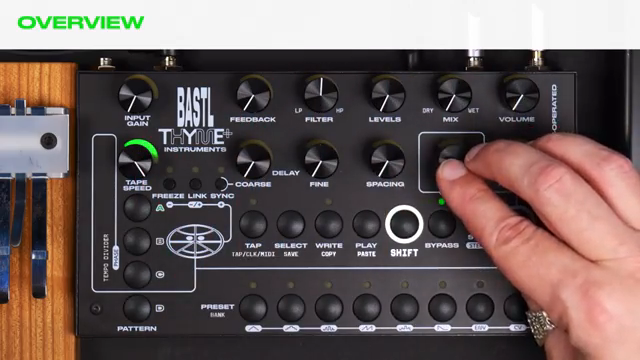
"And robot is a modulation for each of the knobs. Very powerful."
© Screenshot/Quote: Bastlinstruments (YouTube)
Digital Tape Machine: Delay, Feedback, and Lo-Fi Charm
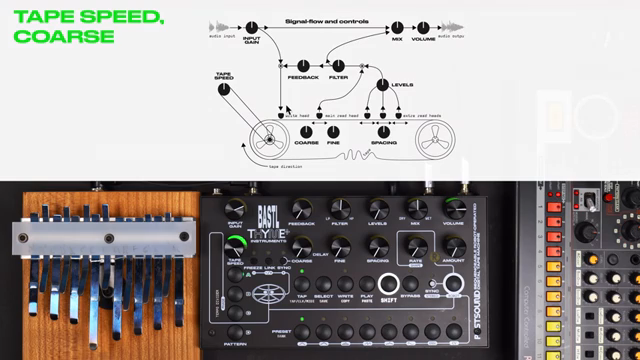
"The signal gets written on the tape with the right hat. And then the tape travels through the machine until it reaches the main read hat."
© Screenshot/Quote: Bastlinstruments (YouTube)
At the heart of the THYME+ is its digital tape machine metaphor, which underpins its delay and feedback architecture. The video walks through the signal flow: audio enters via a preamp, is written onto a virtual tape, and then read back at variable positions. Adjusting the tape speed and read head placement directly manipulates delay time, while also introducing pitch-shifting and, at extreme settings, downsampling artifacts for a distinctively lo-fi character.
Feedback is central to the THYME+’s sound-sculpting capabilities. By routing the processed signal back onto the tape, users can create anything from subtle echoes to infinite loops. A built-in compressor in the feedback path prevents runaway levels, ensuring creative feedback remains manageable. The instrument also allows users to switch between digital and more analog-style tape behaviors, offering both crunchy, stepped repeats and smoother, filtered delays.
Modulation, CV, and Expansive Stereo Workflows
THYME+ shines in its approach to modulation and connectivity. Each parameter’s robot can be set to a variety of sources, including LFOs with multiple shapes, trigger ramps, envelope followers, or external CV. This flexibility means users can animate any aspect of the delay or feedback engine, from subtle movement to wild, tempo-synced modulations. The video demonstrates how holding the robot button and turning a parameter knob instantly assigns and shapes modulation, making for a tactile and immediate workflow.
External CV integration is robust, allowing the THYME+ to slot into modular or DAWless setups with ease. Any parameter can be modulated by incoming control voltage, opening up possibilities for dynamic interaction with sequencers, envelopes, or other hardware. This is particularly powerful in stereo contexts, as the THYME+ supports independent modulation of left and right channels, enabling complex, evolving stereo fields.
The polarity controls further expand the stereo palette. By setting robots to modulate parameters in opposite directions for left and right channels, users can achieve wide, animated stereo effects. The architecture encourages experimentation, rewarding those who explore the interplay between modulation, feedback, and stereo imaging.
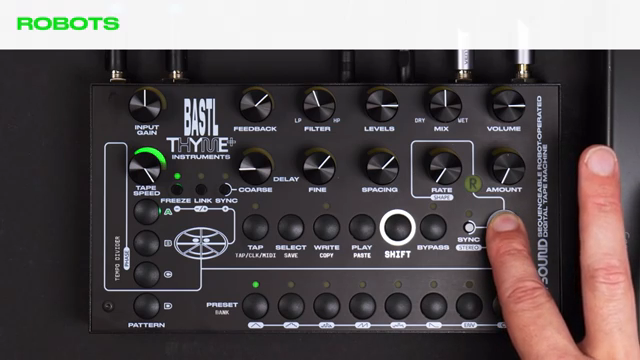
"Robot can be a regular LFO with various shapes, trigger ramp, envelope follower or external CV input."
© Screenshot/Quote: Bastlinstruments (YouTube)
Hands-On Sound Design: Sync, Multi-Tap, and Feedback Polarity
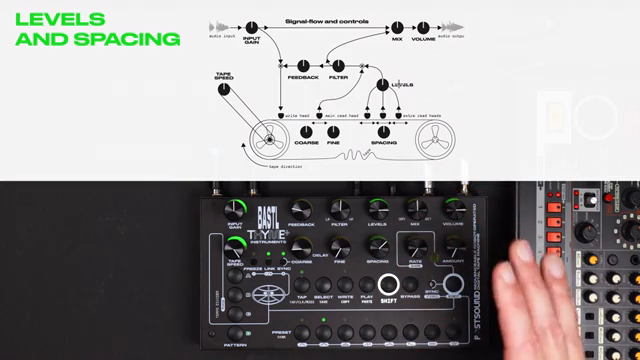
"So now this is the multi-tap delay sound that I really like."
© Screenshot/Quote: Bastlinstruments (YouTube)
The practical demonstrations in the video highlight the THYME+’s versatility in real-world sound design. Tempo syncing is straightforward, with options for tap tempo, analog clock, or MIDI clock, ensuring tight integration with external gear. The freeze function allows users to capture and manipulate audio snapshots, adding another layer of creative potential.
Multi-tap delay is elegantly implemented via additional read heads, with spacing and level controls that morph the sound from tight comb filtering to dense, rhythmic echoes. The fine delay knob enables micro-adjustments for phasing and tonal comb filtering, while feedback polarity switching introduces new flavors of resonance and movement. These features, combined with the modulation system, make the THYME+ a playground for anyone seeking to push delay and feedback beyond the ordinary.
Watch on YouTube:
Latest articles
Watch on YouTube:
https://www.youtube.com/bastlinstruments
Links from bastlinstruments:
Sponsored links:
If you purchase via these links, we may earn a small commission – at no extra cost to you. The link opens an Amazon keyword search, and results may vary depending on availability.
🔗 Check price on Amazon