Bastl Instruments, the Czech modular mavericks, take us through the essential process of calibrating their Neo Trinity module—a device designed to keep your oscillators in check and your pitches spot on. In this video, Bastl’s signature hands-on approach is on full display as they demystify the steps needed to ensure your rack sings in tune, octave after octave. Whether you’re wrangling unruly VCOs or just want to avoid the embarrassment of a wobbly C, this walkthrough is all about getting your modular system properly dialled in. Expect practical advice, a focus on workflow, and a reminder that even the most boutique gear needs a little calibration TLC.
3. May 2024
MILES
Bastl Instruments Neo Trinity: Taming Oscillators with Calibration Precision
Meet the Neo Trinity: Calibration Central
The video opens with Bastl Instruments introducing the Neo Trinity, a module that places calibration and oscillator tuning front and centre. The focus is clear: in the world of modular, if your oscillators aren’t calibrated, your melodies will wander and your harmonies will clash. The Neo Trinity is presented as a solution for those who want their system to behave predictably, especially when it comes to pitch tracking across octaves.
Bastl’s approach is refreshingly practical, sidestepping marketing fluff in favour of real-world utility. The presenter notes that proper calibration isn’t just a technical nicety—it’s a necessity for anyone wanting to work within the volt-per-octave standard. The video sets the tone for a session that’s about getting your gear to play nicely together, not just showing off blinking lights.
"To achieve proper volt-per-octave tracking and tuning, you need to calibrate your oscillators."
© Screenshot/Quote: Bastlinstruments (YouTube)
Oscillator Tuning: Step-by-Step Precision
"You need to repeat this five times to make sure your oscillator is perfectly in tune across the octaves."
© Screenshot/Quote: Bastlinstruments (YouTube)
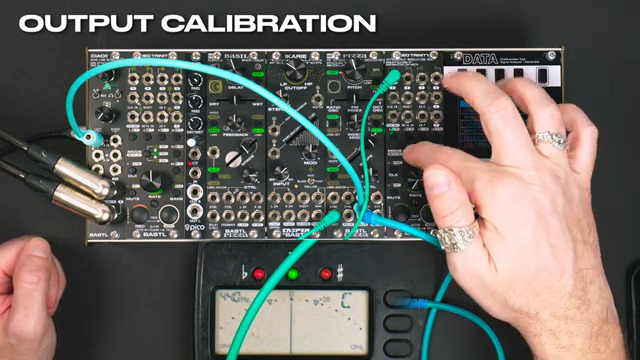
The heart of the demonstration is a methodical walkthrough of tuning oscillators for accurate pitch response. Bastl shows how to start by tuning your oscillator to a reference note—often middle C—using either a phone app or a chromatic tuner. The process is iterative: you check the oscillator’s response at different voltages, ensuring that each octave lands exactly where it should.
The presenter emphasises the importance of repeating the tuning process across several octaves, nudging the oscillator into alignment with the volt-per-octave standard. This isn’t a one-and-done affair; it’s about patience and precision, with the Neo Trinity acting as the central hub for sending out reference voltages and verifying the results. The video makes it clear that a properly calibrated system is the foundation for any serious modular work.
Practical Patchwork: Connecting and Calibrating
With the basics covered, Bastl shifts to practical workflows for connecting and calibrating multiple oscillators. The video suggests treating calibration as a routine part of patching, especially when integrating new modules or troubleshooting tuning drift. The Neo Trinity is shown as a flexible tool for managing this process, capable of sending precise voltages to each oscillator in your rack.
The presenter’s advice is grounded in the realities of modular life: cables everywhere, oscillators with minds of their own, and the occasional need to recalibrate when things get weird. By demonstrating how to systematically connect and tune each oscillator, Bastl encourages users to adopt a workflow that keeps their system tight and musical, rather than chaotic and unpredictable.
Automated Adjustments: Cables and Convenience
A key part of the Neo Trinity’s calibration process is its support for automated adjustments using specific cables. The video details how connecting the right cable enables the module to perform automatic tuning routines, saving time and reducing human error. This hands-off approach is especially useful when dealing with multiple oscillators or when you need to recalibrate quickly before a session.
Bastl demonstrates the step-by-step process: plug in the cable, let the Neo Trinity do its thing, and watch as each oscillator is brought into line. The emphasis here is on efficiency and reliability—qualities that any modular user can appreciate when faced with a sprawling patch and a looming deadline. The video makes a strong case for incorporating these automated tools into your regular setup routine.
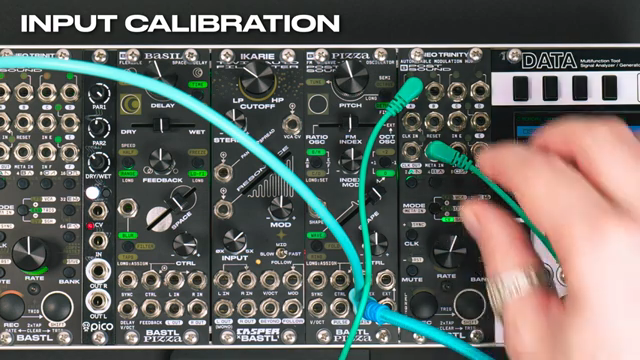
"Just connect the cable and it will calibrate automatically."
© Screenshot/Quote: Bastlinstruments (YouTube)
Why Tuning Matters: The Sonic Payoff
In closing, Bastl underscores the importance of proper tuning for achieving high-quality sound with the Neo Trinity. The message is simple but vital: no matter how creative your patching, if your oscillators aren’t calibrated, your results will suffer. The video leaves viewers with a reminder that a little time spent on calibration pays off in musicality, clarity, and the satisfaction of a system that truly sings.
This article is also available in German. Read it here: https://synthmagazin.at/bastl-instruments-neo-trinity-oszillatoren-im-zaum-halten-mit-praeziser-kalibrierung/
Watch on YouTube:
Latest articles
Watch on YouTube:
Visit the channel:
https://www.youtube.com/bastlinstruments
https://www.youtube.com/bastlinstruments
Links from bastlinstruments:
linkinbio: https://linkin.bio/bastlinstruments
instagram: https://instagram.com/bastlinstruments
facebook: https://facebook.com/bastlinstruments
twitter: https://twitter.com/bastlinstrument
soundcloud: https://soundcloud.com/bastl-instruments
Sponsored links:
If you purchase via these links, we may earn a small commission – at no extra cost to you. The link opens an Amazon keyword search, and results may vary depending on availability.
Neo Trinity
🔗 Check price on Amazon
🔗 Check price on Amazon