AudioPilz is back in the Bad Gear bunker, this time dragging the Korg M1 out of its velvet-lined crypt for a proper grilling. The M1 is a synth that’s been everywhere, done everything, and probably soundtracked your nan’s aerobics class. But does it still slap, or is it just a nostalgia brick with a broken soul? Expect savage wit, meme-fuelled jabs, and a no-mercy breakdown of what makes this 80s icon both a hero and a headache. If you think you know the M1, think again – and maybe watch your cheese intake.
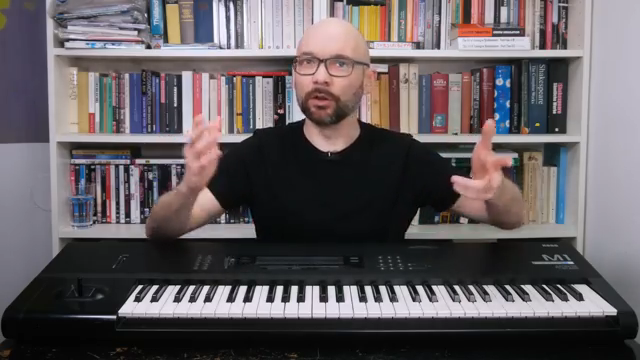
M1: The Synth Everyone Loves to Hate
AudioPilz wastes no time reminding us that the Korg M1 is both a legend and a meme, a synth so omnipresent it’s almost criminal. This isn’t just another vintage keyboard – it’s the sound of late 80s and early 90s pop, house, and anything with a MIDI port. The M1’s reputation is so massive that even AudioPilz jokes about Korg creating the universe, and honestly, it’s not far off.
But with great power comes great overexposure. The M1’s presets have been rinsed so hard they’re practically public domain, and its influence is so deep that most people wish they could forget it. If you’ve ever cringed at a plastic pad or wept over a heartbreak string, you’ve got the M1 to thank. This synth is the sonic equivalent of a rave bunker that never closes – glorious, sweaty, and a bit much after sunrise.

"This Korg workstation and 1988 treasure chest of overused sample waveforms was and still is to this day so mind-meltingly influential that most people wish it wasn't."
© Screenshot/Quote: Audiopilz (YouTube)
Sample Library: Cheese, Gold, and House DNA
Under the hood, the M1 is a four-megabyte time capsule packed with acoustic and electric instruments, pan flutes, and enough slap bass to haunt your dreams. AudioPilz points out that the OG house piano and organ presets are the real stars, shaping dancefloors and pop charts alike.
It’s not just about the hits, though – the M1’s library is a weird mix of drum kits, DW8000 waveforms, and uncanny valley oohs and aahs. This is the DNA of house music, but also the birthplace of some of the cheesiest tones ever sampled. If you want to know why every 90s track sounds like it came from the same toaster-fight, look no further than the M1’s ROM.
Limitations: Where the M1 Shows Its Age
For all its fame, the M1 is a lesson in compromise. AudioPilz doesn’t mince words: there’s no portamento, no ring or cross modulation, and the 12 dB filter is so bland it’s an insult to synth design. The lack of resonance is a glaring omission, especially for a synth that’s supposed to be a flagship.
You do get some modulation options – multi-stage envelopes, LFOs, aftertouch, and a pitch/mod joystick – but don’t expect to get wild. The dual FX unit is a saving grace, gluing everything together, but the overall sound engine is basic. This is a synth that’s all about the samples, not the synthesis, and it shows. If you want to spark joy, you’ll need to look elsewhere or embrace the cheese.
How to Use an M1 Without Getting Laughed Out of the Club
"This wealth of beaten to death tones comes at the risk of adding too much cheese to the sauce."
© Screenshot/Quote: Audiopilz (YouTube)
AudioPilz gives a nod to the M1’s strengths: 16 voices of polyphony, 8-part multitimbrality, and a sequencer that’s actually usable if you squint. The expansion card slot was a money-printing machine for Korg, and the keyboard itself is built like a tank – heavy enough to double as a home gym.
But let’s be real: the M1 is best at what it’s always done – house pianos, organs, and those instantly recognisable pads. AudioPilz runs through some jams that ooze nostalgia and cheese in equal measure. If you’re after authentic 90s vibes or want to larp as a house producer, the M1 still delivers. Just don’t expect it to win any innovation awards in 2024.
Nostalgia Trip or Outdated Relic?
The verdict is classic AudioPilz: the M1 is a best-seller for a reason, but its basic engine and overused samples make it a tough sell today. It’s a synth that’s as much interior design as it is instrument – perfect for parking your 909 clone on and pretending it’s 1992.
There’s a certain charm to the M1’s sound, but using it now risks drowning your track in cliché. Later Korg gear does the same tricks with more flexibility, and unless you’re chasing pure nostalgia, you might be better off with a plugin. Still, if you want to see the M1 in all its cheesy, glorious action, the video is where the real magic (and cringe) happens.
This article is also available in German. Read it here: https://synthmagazin.at/audiopilz-vs-korg-m1-die-ueberstrapazierte-legende-im-haertetest/
Watch on YouTube:
Latest articles
Watch on YouTube:
Visit the channel:
https://www.youtube.com/AudioPilz
https://www.youtube.com/AudioPilz
Links from AudioPilz:
Become a Patreon: https://patreon.com/audiopilz
Instagram: https://instagram.com/audio.pilz
Sponsored links:
If you purchase via these links, we may earn a small commission – at no extra cost to you. The link opens an Amazon keyword search, and results may vary depending on availability.
Korg M1
🔗 Check price on Amazon
🔗 Check price on Amazon