AudioPilz is back in the Bad Gear bunker, this time wrestling with the Elektron Analog Four—a synth that’s equal parts analog muscle and digital head-scratcher. If you like your grooveboxes with a side of existential crisis, this one’s for you. Expect sharp wit, brutal honesty, and a healthy dose of meme-fuelled chaos as Florian Pilz tries to squeeze fat sounds out of a machine infamous for its thinness. Spoiler: it’s a love-hate relationship, and you’ll want to watch the video to see if he survives the challenge.
17. January 2026
SPARKY
AudioPilz vs. Elektron Analog Four: The Challenge Nobody Asked For
Analog Four: Polyphonic Rave Bunker
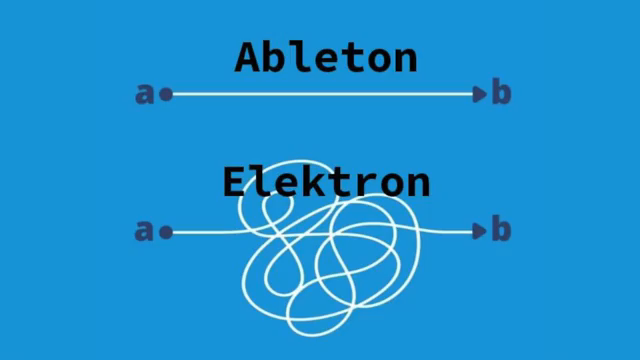
The Elektron Analog Four isn’t just another synth—it’s a 2013 hybrid beast that smashes analog polyphony into a groovebox shell. AudioPilz wastes no time pointing out its Octatrack-inspired looks and the dense digital wizardry lurking inside. Four voices, each tangled up in a web of modulation and sequencing, make this box a sound designer’s playground—or a labyrinth, depending on your patience.
This isn’t your granddad’s analog. The Analog Four throws in PWM on non-pulse waves, Juno-style sub-oscillators, and a noise generator with its own envelope. If you’re after bread-and-butter sounds, look elsewhere. This is a toaster-fight of features, all crammed into a box that dares you to get lost.
Thin Sound, Thick Headaches
Let’s not sugar-coat it: the Analog Four has a reputation for sounding a bit anaemic straight out of the box. AudioPilz admits the synth’s thinness is legendary, but there are tricks to beef it up—like abusing the second filter’s peak mode to inject some actual bass. It’s a workaround, not a miracle, but it gets the job done if you’re willing to dig.
Workflow-wise, this thing can be punishing. Menus hide key features, and even after a decade with Elektron gear, AudioPilz confesses the LFO philosophy still feels like a riddle. If you want instant gratification, look elsewhere. But if you’re the type who enjoys a challenge, there’s gold buried under the frustration.
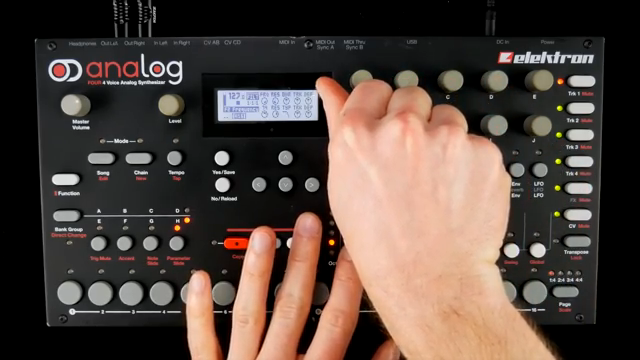
"Analog 4 has a reputation of sounding a bit thin so the peak mode of the second filter comes in handy for musically boosting the bass."
© Screenshot/Quote: Audiopilz (YouTube)
Sequencer Sorcery and Modulation Mayhem
Where the Analog Four really flexes is in its sequencing and modulation. You get TR-style step sequencing, parameter slides, per-step automation, micro-timing, and probability—all the stuff that makes Elektron heads drool. There’s even CV/gate sequencing for the modular crowd, though you’re stuck with a single track for four outs, which is a bit of a letdown.
But don’t expect to master it in a weekend. AudioPilz makes it clear: the depth is both a blessing and a curse. You’ll spend hours crafting kits, tweaking macros, and wrestling with performance settings. The payoff? A box that can do things most analogs only dream of—if you’re willing to put in the graft.
Live Jams: From Elevator Techno to Function One Mayhem
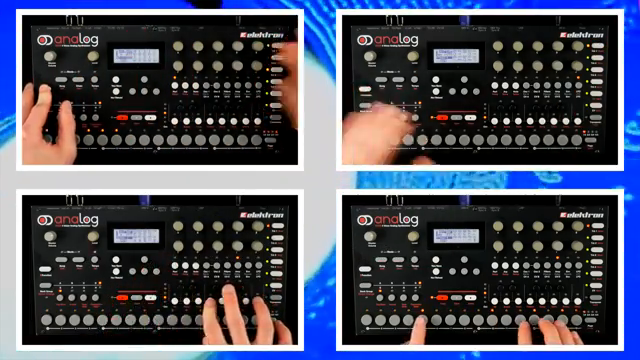
"That was smooth pro sounding and elegantly inoffensive. I had to invest a substantial amount of time to get to that point though and presets tends to fall apart after a few tweaks."
© Screenshot/Quote: Audiopilz (YouTube)
AudioPilz throws the Analog Four into the live arena, with jams ranging from smooth techno to full-on electro centrepiece action. The results? Sometimes pro, sometimes a bit wobbly, but always interesting. Getting there took serious effort—presets crumble after a few tweaks, and traditional sounds can feel loose around the edges.
Still, when it clicks, the Analog Four delivers. Drum machine duties? Surprisingly solid. And if you want to see what happens when you combine a day of sound design with a time machine set to 128 BPM, you’ll have to watch the video. Some things just don’t translate to text.
Love, Hate, and the Elektron Way
After all the sweat and swearing, AudioPilz sums up the Analog Four as an unhealthy relationship—one that keeps you coming back for more. The deep integration of analog engines in a digital framework gives it a unique, sometimes divisive tone. If you’re used to modern Elektron boxes, you might miss a few creature comforts, but the price and potential make it a tempting street weapon for the indoctrinated.
Bottom line: the Analog Four isn’t for the faint-hearted. You’ll need to invest serious time to get results that slap, but once you’re in, there’s no turning back. As AudioPilz proves, it’s a synth that rewards obsession—and punishes the lazy.

"I am in an unhealthy relationship with analog 4."
© Screenshot/Quote: Audiopilz (YouTube)
This article is also available in German. Read it here: https://synthmagazin.at/audiopilz-vs-elektron-analog-four-die-herausforderung-die-niemand-wollte/
Watch on YouTube:
Latest articles
Watch on YouTube:
Visit the channel:
https://www.youtube.com/AudioPilz
https://www.youtube.com/AudioPilz
Links from AudioPilz:
Become a Patreon: https://patreon.com/audiopilz
Instagram: https://instagram.com/audio.pilz
Sponsored links:
If you purchase via these links, we may earn a small commission – at no extra cost to you. The link opens an Amazon keyword search, and results may vary depending on availability.
Elektron Analog Four
🔗 Check price on Amazon
🔗 Check price on Amazon