Hold onto your floppy disks, because AudioPilz dives deep into the archaic quirkiness of the Roland W30, the backbone of The Prodigy’s iconic sound. if you’re keen to know why this clunky machine was Liam Howlett’s choice, this video is a front-row ticket. It’s a wild ride through 90s tech and AudioPilz’s inimitable style, reminding us why the W30 was both a relic and a revelation.
13. September 2025
JET
AudioPilz Gives Us The Skinny on the Original Prodigy Keyboard
The W30: A Relic or a Revelation?
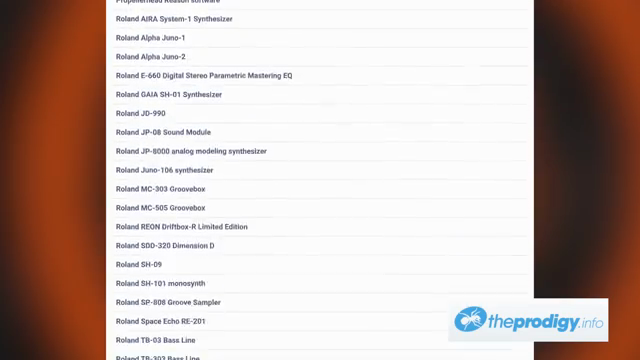
In the latest episode from AudioPilz, our mate Florian Pilz opens the puzzling icebox that is the Roland W30. Birthed from the remnants of Roland technology past, this sampling workstation was a stalwart in The Prodigy’s arsenal. But why, you ask? Well, Liam Howlett, ever the visionary, saw past its cumbersome workflows and embraced its quirks as a unique instrument. From its chunky 30kHz, 12-bit sampling roots to a reservoir of loathed yet resonant filters, it was designed with a flair only an ’89 relic could boast. For those familiar with Howlett’s story, this machine was the nucleus of early Prodigy sandwich tapes — layers of frenetic rhythms and melodies that blew past norms, reminiscent of an audio mosh pit with every thunk and plink.
"creating the blueprint for the band's unique sound"
© Screenshot/Quote: Audiopilz (YouTube)
Dance of the Floppies: The Sampling Saga
"a time consuming task though."
© Screenshot/Quote: Audiopilz (YouTube)
Enter the workflow chaos – sampling on the W30 was like trying to paint a masterpiece inside a phone box. Our journey begins with sampling: the process by which Liam fed sounds via DJ turntables into the mono mouth of the W30. It had a fierce appetite for floppy disks as not just a preference but a necessity. One might liken this to feeding a Gremlin after midnight, only mess with floppy disks if you’re keen on courting disaster. Boasting a breathtaking 512 kilobytes of RAM split into two banks, this beast longed for sonic variety yet shackled you with a fleeting seven-point-two-second capture at best quality. AudioPilz illustrates that managing this digital anarchy required mastering the graphical interface, akin to taming a temperamental cat: stroke it right or it’ll scratch back.
Prodigy Secrets: The Workflow Whirlwind
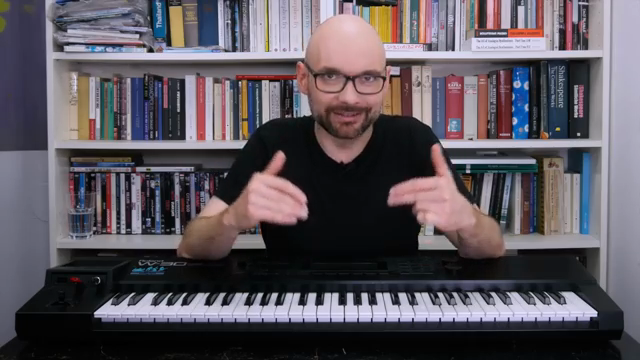
What’s in the name? Plenty, if you asked Liam Howlett. The Prodigy was defined by this very piece – tying together live sets with samples mapped out to match the band’s rowdy energy. Florian unravels the sequencing mysteries, unveiling a minimalist approach that sidesteps multitrack recording’s palatial allure. With the W30, it was all about snapping loops and patches straight from the keyboard – a format that screamed raw and live. This limits became blessings, fostering a style untethered to the polished veneers often associated with studio work. You could say it was a beautiful mess, one only The Prodigy could glorify. Yet, as trends evolved, the duo added Akai samplers for diversity while the TR-909 became the percussion powerhouse, enhancing Howlett’s pioneering synth tapestry.
"enhancing Howlett’s pioneering synth tapestry."
© Screenshot/Quote: Audiopilz (YouTube)
Future-Proof or Futile?
"a savage reminder of those gritty sounds from yesteryears waiting to resurface."
© Screenshot/Quote: Audiopilz (YouTube)
Fast forward to the present and the dilemma remains: Does the W30 hold its ground today? AudioPilz takes us on a temporal trek to test the W30 with modern gear – a reincarnation attempt as daring as punk’s atemporal thrill. The question hangs heavy: could it still create that Prodigy punch? The original kit displayed its age in terms of operational ease, but there was undeniable authenticity in its sound. Teaming it with the Beatstep Pro and TB3 for slicker sequences, Florian brings us face to face with nostalgia, curiousity, and a mild admiration for this idiosyncratic sampler. At its core, the W30 was chaos embodied, unruly yet burning bright—a savage reminder of those gritty sounds from yesteryears waiting to resurface.
To W30 or Not to W30?
In the grand scheme of music history, what resonates more: the tools or the craftsman? AudioPilz summarises with a nod to Liam Howlett’s genius as a substantial contributing factor to The Prodigy’s success. The W30, despite its innate complexities, was wielded by an artisan who knew how to draw melodies from madness. This video isn’t just about gear, it’s about legacy. The W30 didn’t survive merely because of its novel tech; it’s a tribute to Howlett’s drive and creativity. Whether the W30 is vital to today’s scene remains questionable. Yet, in its heyday, it was roaring from the rooftops—an instrument that informed a genre’s evolution. For those ready to tango with its cryptic dance, perhaps, there’s magic still to be discovered beneath its keys.
This article is also available in German. Read it here: https://synthmagazin.de/audiopilz-praesentiert-die-wahrheit-ueber-das-original-prodigy-keyboard/
Watch on YouTube:
Latest articles
Watch on YouTube:
Visit the channel:
https://www.youtube.com/AudioPilz
https://www.youtube.com/AudioPilz
Links from AudioPilz:
Become a Patreon: https://patreon.com/audiopilz
Instagram: https://instagram.com/audio.pilz
Sponsored links:
If you purchase via these links, we may earn a small commission – at no extra cost to you. The link opens an Amazon keyword search, and results may vary depending on availability.
Roland U-220
🔗 Check price on Amazon
🔗 Check price on Amazon
Roland W30
🔗 Check price on Amazon
🔗 Check price on Amazon
SH-101
🔗 Check price on Amazon
🔗 Check price on Amazon
TB-303
🔗 Check price on Amazon
🔗 Check price on Amazon
TR-909
🔗 Check price on Amazon
🔗 Check price on Amazon