Arturia’s AstroLab emerges as a next-generation performance keyboard, designed to bridge the gap between deep sound design and immediate playability. In this official Arturia video, modern funk icon DāM-FunK explores how the AstroLab’s architecture and interface empower creativity without overwhelming the user. The presentation highlights the instrument’s blend of powerful digital sound engines, intuitive navigation, and visually engaging feedback—making it as inviting for spontaneous beatmaking as for nuanced sonic exploration. For those curious about how digital performance keyboards can inspire new workflows, this video offers a glimpse into AstroLab’s unique approach, with DāM-FunK’s workflow and perspective front and center.

25. July 2024
LYRA
Arturia’s AstroLab: Digital Inspiration in the Hands of DāM-FunK
AstroLab: Power Meets Playability
AstroLab is positioned as a next-generation performance keyboard, and the video wastes no time establishing its appeal to creative musicians. DāM-FunK describes the immediate inspiration he feels when encountering new instruments, but singles out AstroLab for delivering that elusive “twinkle”—the spark that makes an instrument feel both fresh and accessible. The narrative sets up AstroLab as a tool that doesn’t require a manual at every turn, yet doesn’t compromise on depth.
The focus here is on the balance between power and user-friendliness. DāM-FunK is quick to point out that while AstroLab is approachable, it avoids the trap of being “keyboards for dummies.” Instead, it offers a workflow that feels rewarding and straightforward, inviting musicians to dive in and create without friction. This positions AstroLab as a compelling option for those who want advanced capabilities without an intimidating learning curve.

"The Astrolab does that. It's fantastic."
© Screenshot/Quote: Arturiaofficial (YouTube)
Core Features: Engines, Interface, and Visuals
The video highlights several of AstroLab’s core features, with a particular emphasis on its sound engines and visual interface. DāM-FunK demonstrates the process of laying down an early ’80s-inspired beat, quickly looping it, and layering it with the “Sunshine Life Electric Piano” sound. This workflow showcases the instrument’s ability to move fluidly between different sonic roles—drums, keys, and bass—without menu-diving or complex setup.
AstroLab’s interface is described as both beautiful and functional. The visuals are not just eye candy; they provide practical feedback, such as showing the type of bass being selected. This visual clarity aids in sound selection and performance, reducing guesswork and making the experience more immersive. Effects are easily accessible, allowing for quick adjustments like dialing back delay, which DāM-FunK does on the fly.
The instrument’s sound library is presented as thoughtfully curated, with signature patches like “Gary Newman strings” (pneumonic strings) and bell sounds that add “candy and color.” The video underscores that these sounds are not only high quality but also immediately playable, supporting a wide range of musical ideas without the need for deep editing.
Workflow in Action: From Beats to Exploration
DāM-FunK’s demonstration centers on how AstroLab supports a variety of creative workflows. He starts by building a groove, looping phrases, and then seamlessly moves to exploring new sounds—showing how the instrument encourages both structured beatmaking and spontaneous sonic discovery. The ability to quickly layer parts and audition different timbres is a testament to AstroLab’s performance-oriented design.
What stands out is the minimal need for extensive tweaking. DāM-FunK notes that while he comes from a background of working raw and direct, AstroLab’s preset sounds are strong enough to stand on their own. This means users can focus on musical ideas rather than getting bogged down in parameter adjustments, yet the option to tweak remains available for those who want to dig deeper.
Inspiration Engine: Design Meets Expression

"When I'm looking through sounds, it's talking to me. It's making it easy for me."
© Screenshot/Quote: Arturiaofficial (YouTube)
AstroLab’s design is portrayed as inherently inspiring, fostering a direct connection between the musician and their music. DāM-FunK emphasizes that the instrument feels like it’s “talking to him,” making the process of browsing and selecting sounds almost conversational. This sense of immediacy is crucial for artists who want their tools to facilitate, not hinder, creative flow.
The video positions AstroLab as more than just a sound source—it’s a catalyst for expression. By reducing the friction between idea and execution, the instrument helps users get “into a zone” where musical thoughts can be realized quickly and authentically. This design philosophy is especially relevant for performers and producers who value both inspiration and efficiency in their workflow.
Digital Surpassing Analog? The Future Beckons
In a moment sure to spark debate, DāM-FunK suggests that digital instruments like AstroLab are beginning to surpass analog gear in sound quality. The video closes on an optimistic note, hinting at a “galaxy full of updates” and limitless creative potential. While this is an ambitious claim, it reflects the confidence Arturia places in AstroLab’s digital architecture and its capacity to evolve with future firmware and content expansions.
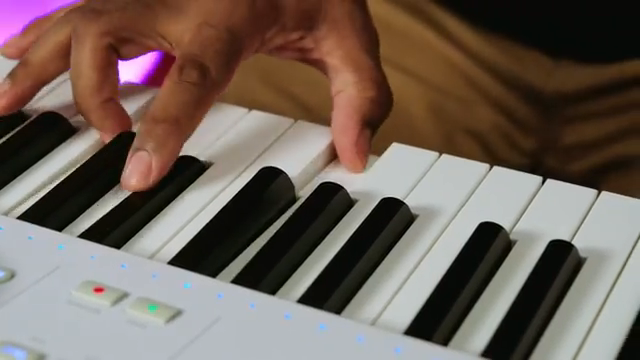
"Digital is surpassing analog as far as the sound quality."
© Screenshot/Quote: Arturiaofficial (YouTube)
This article is also available in German. Read it here: https://synthmagazin.at/arturia-astrolab-digitale-inspiration-in-den-haenden-von-dam-funk/
Watch on YouTube:
Latest articles
Watch on YouTube:
Visit the channel:
https://www.youtube.com/ArturiaOfficial
https://www.youtube.com/ArturiaOfficial
Links from ArturiaOfficial:
website: https://www.arturia.com
instagram: https://instagram.com/arturia_official
twitter: https://twitter.com/ArturiaOfficial
soundcloud: https://soundcloud.com/arturia-official/albums
Sponsored links:
If you purchase via these links, we may earn a small commission – at no extra cost to you. The link opens an Amazon keyword search, and results may vary depending on availability.
Arturia Astrolab
🔗 Check price on Amazon
🔗 Check price on Amazon