Arturia’s Jup-8000 V takes center stage in this official track breakdown, where Rose dissects a trance anthem crafted entirely with this virtual analog powerhouse. The video is a showcase of how legacy-inspired sound engines, lush presets, and clever layering can be marshaled to create the euphoric energy that defines trance. With a focus on workflow, performance tools, and the interplay between bass, synths, leads, and pads, Arturia’s presentation is as much about architecture as it is about sound. We dive into how these elements are demonstrated, what’s claimed, and where the Jup-8000 V fits into the digital producer’s arsenal.

A Modern Classic: Jup-8000 V’s Trance Legacy
Arturia positions the Jup-8000 V as a modern virtual analog instrument, explicitly designed to channel the essence of classic trance. The video opens with Rose introducing a track by Sami Rabia, constructed entirely with this software synth—a clear statement of intent to demonstrate both authenticity and versatility. The Jup-8000 V is described as being built on the legacy of a “true trance icon,” signaling its roots in the genre’s golden era while leveraging contemporary digital architecture.
The initial listening segment sets the stage: soaring leads, pulsing basslines, and rising sequences are all present, hinting at the instrument’s capacity for genre-defining sound design. Arturia’s official channel is known for such focused showcases, and here the workflow is front and center—no distractions, just an exploration of how the Jup-8000 V can be the backbone of a modern trance production.
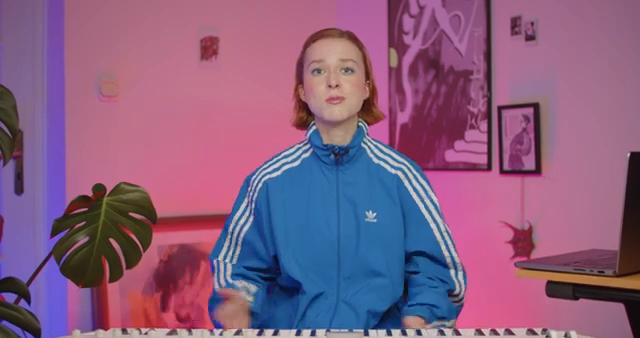
"A modern virtual analog instrument built on the legacy of a true trance icon."
© Screenshot/Quote: Arturiaofficial (YouTube)
Preset Power: Supersaws, Acid Leads, and More
"The first bass layer is based on a deep and punchy preset."
© Screenshot/Quote: Arturiaofficial (YouTube)
Central to the Jup-8000 V’s appeal in this video is its extensive preset library, which is leveraged to craft the melodic and harmonic core of the track. Rose highlights a deep, punchy bass preset as the foundation, followed by a second bass layer that adds harmonic complexity—demonstrating how the right preset selection can drive both groove and energy.
The synth section introduces a 303-inspired acid lead and the unmistakable super-saw patch, both pivotal in shaping the track’s character. The FM lead preset is used for high-end rhythmic sequences, showing off the instrument’s versatility and the breadth of its preset palette. While the video focuses on preset selection and layering, it also hints at the underlying sound engine’s flexibility for those willing to dig deeper.
Sound Groups in Action: Building the Trance Structure
The breakdown is organized around four main sound groups: bass, synths, leads, and pads. Each group is isolated and then combined, illustrating how their interplay creates a cohesive trance arrangement. The bass group, with its layered approach, establishes a tight, driving low end that anchors the track and provides rhythmic propulsion.
Moving to the synths, the video demonstrates how melodic call-and-response is achieved through acid leads and super-saw melodies, with FM elements adding sparkle and movement. This section is a practical demonstration of how to use the Jup-8000 V’s architecture to build up a track from foundational elements to more complex, interlocking parts.
The leads group is where the euphoric energy peaks, with multiple layers—such as the “Breakthrough” and “Star Party” presets—panned and stacked for width and impact. Pads round out the arrangement, adding emotional depth and spaciousness. The workflow shown here is all about constructing a trance anthem through careful sound selection and layering, rather than deep parameter tweaking.

"At its core is a bright, white super-saw patch that gives the melody its power and width."
© Screenshot/Quote: Arturiaofficial (YouTube)
Layering for Energy: Bass Grooves and Synth Synergy
Layering is presented as a core compositional technique, especially in the bass and synth domains. The video demonstrates how two distinct bass presets—one deep and punchy, the other harmonically rich—are combined to create a groove that is both solid and dynamic. This approach is essential for achieving the rolling, energetic feel that trance demands.
Similarly, synth layers are used to build melodic content with both power and clarity. The super-saw patch provides width and presence, while additional layers contribute movement and harmonic detail. The workflow emphasizes stacking and blending over intricate modulation or macro control, focusing on the immediate impact of sound selection and arrangement.
Performance Tools: Rhythmic Sequences and Filter Sweeps

"We also have a classic, wide noise filter sweep to add some movement and swooshiness to the transition and build-up."
© Screenshot/Quote: Arturiaofficial (YouTube)
Performance elements are not neglected—Arturia showcases tools like rhythmic sequences and the classic noise filter sweep to add drama and transition to the track. The rhythmic sequence, created with the FM lead preset, injects motion into the high end, while the noise sweep provides the essential build-up and release moments that trance producers rely on.
These techniques are presented as essential for dynamic arrangements, giving the track its sense of movement and anticipation. While the video does not delve into macro controls or live performance mapping, it does illustrate how the Jup-8000 V’s sound engine and preset architecture can be harnessed for expressive, evolving trance compositions.
This article is also available in German. Read it here: https://synthmagazin.at/arturia-jup-8000-v-trance-architektur-im-modernen-virtual-analog/
Watch on YouTube:
Latest articles
Watch on YouTube:
Visit the channel:
https://www.youtube.com/ArturiaOfficial
https://www.youtube.com/ArturiaOfficial
Links from ArturiaOfficial:
website: https://www.arturia.com
instagram: https://instagram.com/arturia_official
twitter: https://twitter.com/ArturiaOfficial
soundcloud: https://soundcloud.com/arturia-official/albums
Sponsored links:
If you purchase via these links, we may earn a small commission – at no extra cost to you. The link opens an Amazon keyword search, and results may vary depending on availability.
Jup-8000 V
🔗 Check price on Amazon
🔗 Check price on Amazon