AP Mastering is back with another anti-myth, pro-physics rave—in the best sense. This time, he slices through the fog around preamp tone, odd and even harmonics, and why the Neve 1073 does what it does. Expect high-budget doodles, zero fluff, and some refreshingly blunt advice about preamp hype. If you want creamy, vintage magic explained without the unicorns, you’re in the right rave bunker.
26. June 2026
SPARKY
AP Mastering Destroys Preamp Myths: Odd vs Even Harmonics, No Fairy Dust
Physics, Not Fairy Tales: Odd vs Even Harmonics
AP Mastering wastes zero time: if your two Neve preamps sound different, it’s not branding or nostalgia—it’s all about physics and how harmonics stack up. Forget the “legendary” buzzwords; what matters is whether your preamp’s distortion is spitting out odd or even order harmonics, and that comes down to circuit design and what’s happening under the hood when you push them.
He keeps the jargon at bay, instead using visual sketches to show how odd harmonics give you that squared-off, almost cold edge, while even harmonics add a richer, fatter vibe. It’s a crash course for those tired of hearing the same old “Class A is magic” script, finally showing what those terms actually mean when sound meets electricity.
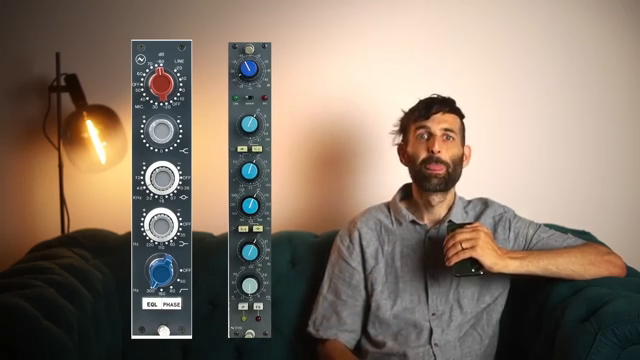
"The answer has nothing to do with marketing adjectives like 'legendary' and all of those kinds of words. It has everything to do with physics."
© Screenshot/Quote: Apmastering (YouTube)
Neve 1073: The Asymmetrical Clipping King
"It's this asymmetric distortion which people associate with more of a vintage or warm or rich kind of flavor."
© Screenshot/Quote: Apmastering (YouTube)
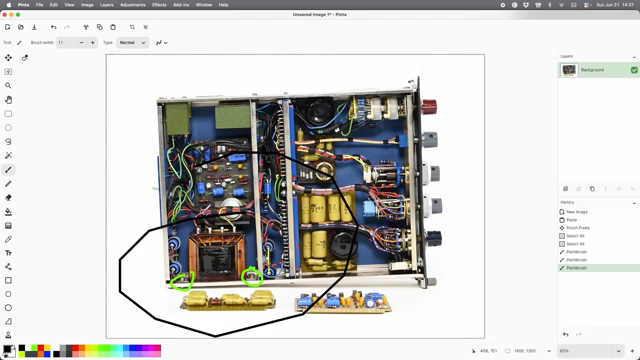
The Neve 1073 isn’t just a badge—it’s got a secret weapon: asymmetrical clipping. AP Mastering explains that when you only clip one side of a waveform, you inject even harmonics, and that’s what gives the 1073 its much-hyped warmth. It’s not just about pushing iron; it’s about how the circuit’s bias voltage (the mythical Q point) shoves your signal into the transformer.
Other preamps, even Neve ones, can sound icier because they clip symmetrically—hello, odd harmonics. The 1073’s design means you’re wasting headroom on one side and squashing the other, which is exactly what creates that creamy, vintage thickness people chase. It’s not magic, it’s just stubbornly old-school engineering.
High-Budget Drawings, Low-Bull Physics
No death-by-equation here. AP Mastering’s visuals cut through the nonsense, showing exactly what happens to your audio when you push a transformer with a DC bias versus using a capacitor. The result? You see—and hear—why asymmetrical saturation fills out the spectrum and makes things sound lush without the need for a maths degree.
You’ve got voltage, transformers, and a whiff of 1970s studio dust. The explanation is hands-on, playful, and just technical enough to keep synth nerds happy without losing the plot. For once, you’ll actually understand why people argue about coupling capacitors versus transformers, and why it all matters to your sound.
Track Clean, Add Dirt Later: The AP Mastering Doctrine
After all the waveform wizardry, AP Mastering drops the real-world verdict: track clean, saturate later. He’s not buying into the boutique preamp cult and sees no reason to burn cash chasing a mythical tone. Save your money, keep your takes clean, and go wild with plugins after the fact if you want grit. That’s the straight-up, no-nonsense approach we crave.
"I still don't do it myself because I track clean."
© Screenshot/Quote: Apmastering (YouTube)
Proof in the Plugin: Real Audio, Real Harmonics
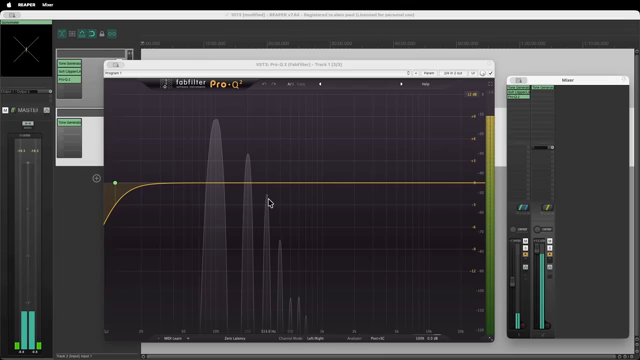
Time to fire up the DAW. AP Mastering runs a tone generator through saturation plugins, showing exactly how odd and even harmonics light up the spectrum when you dial in DC bias. You see the numbers, you hear the difference, and suddenly all the technical chat makes musical sense.
This is the kind of demo that’s best experienced with your own ears—and maybe a cup of tea for the shock. The message: experiment, don’t just read specs or chase marketing legends. Go plug in, twist some knobs, and find your own flavour of distortion. The video’s hands-on segment is the rave bunker for your curiosity.
This article is also available in German. Read it here: https://synthmagazin.at/ap-mastering-raeumt-mit-preamp-mythen-auf-odd-vs-even-harmonics-keine-zauberei/
More articles about these products:
Watch on YouTube:
Latest articles
Watch on YouTube:
Visit the channel:
https://www.youtube.com/APMastering
https://www.youtube.com/APMastering
Links from APMastering:
Website: https://apmastering.com
Instagram: https://instagram.com/ap_mastering/
Sponsored links:
If you purchase via these links, we may earn a small commission – at no extra cost to you. The link opens an Amazon keyword search, and results may vary depending on availability.
Neve 1073
🔗 Check price on Amazon
🔗 Check price on Amazon