ALM / Busy Circuits have a knack for designing modules that solve real-world modular headaches, and their Stem Ripper is no exception. This compact 8-channel audio recorder lets you capture every stem of your patch directly to micro SD—no external hardware, no faffing about. In their latest ALM TV video, the team walks through a full patch recording session, from initial setup to mixing in Logic Pro, highlighting just how seamlessly the Stem Ripper fits into a modern Eurorack workflow. If you’ve ever wished for an easy way to archive, edit, or remix your modular jams, this one’s worth a close look.
16. August 2025
MILES
ALM TV’s Stem Ripper: Multitrack Recording for Modular Without the Fuss
Direct Multitrack Recording—No Extra Boxes Required
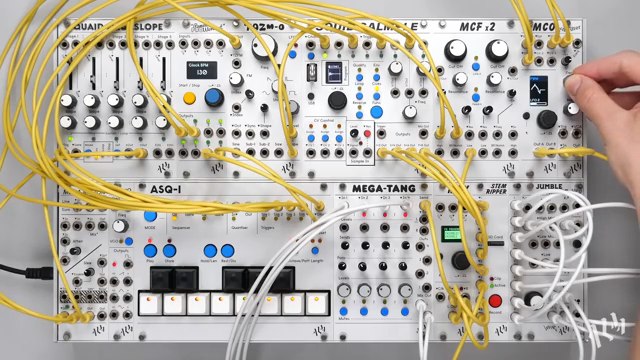
ALM TV opens with the Stem Ripper’s raison d’être: direct, immediate multitrack recording of modular patches without the need for any external audio interface or computer tethering. The module offers eight individual inputs, each ready to capture a discrete stem from your system, making it possible to document every element of your patch in isolation. This approach is a breath of fresh air for anyone tired of juggling external recorders or repatching to squeeze everything through a stereo mix.
The video demonstrates a straightforward workflow—kick, snare, hi-hats, toms, bass, chords, and effects returns are each patched into their own channel. By keeping everything inside the rack, the Stem Ripper eliminates the usual cable spaghetti and potential for signal loss that comes from routing out to standalone recorders. For those who value clean signal paths and minimal setup, this is a practical, patch-friendly solution.
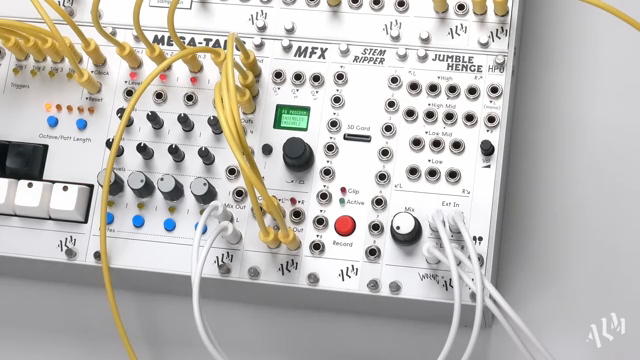
"Multi-track recording of your modular patches for easy mixing and editing within a computer."
© Screenshot/Quote: Busycircuits (YouTube)
Stems to SD: High-Quality, Card-Based Capture
"The Stemripper can record audio for any length of time as long as there is space on the micro SD card."
© Screenshot/Quote: Busycircuits (YouTube)
Each input on the Stem Ripper is recorded as a 16-bit, 44.1kHz WAV file, written directly to a micro SD card inserted into the front panel. This means you’re not limited by internal memory or forced to stop mid-session—recording time is only constrained by the size of your SD card. The video notes that even lengthy jams are handled gracefully, with files automatically split into 4GB (roughly 81-minute) chunks to keep things manageable.
The process is as simple as inserting a card, checking for the green record-ready LED, and watching for any red clip indicators to avoid digital nastiness. Once you’re done, a single button press stops the recording and generates a date-stamped, multi-channel WAV file. The result: every nuance of your patch, safely stored and ready for post-session tinkering.
Archival Simplicity: UI and Date Stamping
ALM’s design ethos shines through in the Stem Ripper’s user interface, which is about as complicated as a toaster. With just a few LEDs and a single button, there’s little to distract from the music-making. Automatic date stamping of each recording means you can easily keep track of your patch explorations—no more mystery files or lost takes. This makes the module a genuinely useful archival tool, especially for those who like to revisit or remix old sessions without guesswork.
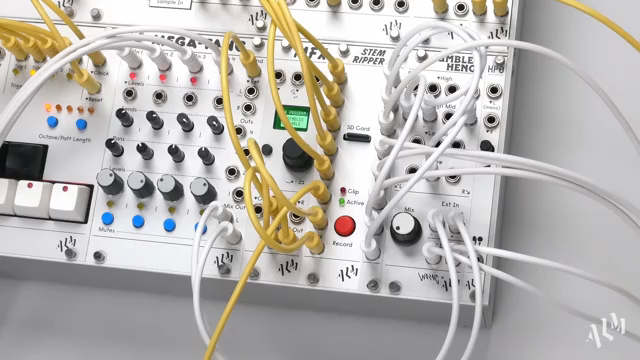
"A date stamped multi-channel wave file will be created on the card."
© Screenshot/Quote: Busycircuits (YouTube)
Thru Expander: No More Cable Stack Nightmares
For those who bristle at the thought of stacking patch cables just to monitor or route signals, the optional Thru Expander is a clever addition. It duplicates each of the eight inputs to a row of unbuffered outputs, letting you send signals on to mixers, effects, or other destinations without resorting to splitter cables or passive mults. The trade-off is a modest 2HP of rack space, but the payoff is a much tidier and more reliable patch—especially in complex live or studio setups.
From Patch to DAW: Seamless Mixing and Creative Workflows
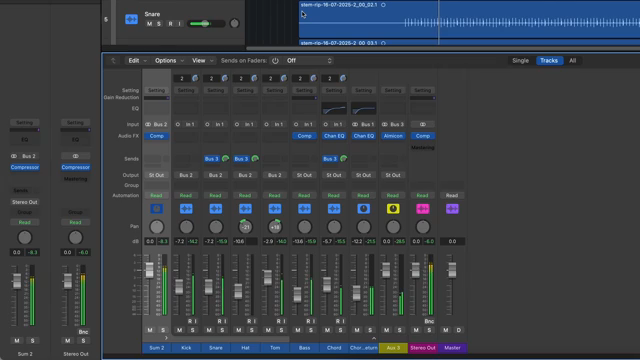
"The Stem Ripper makes it quick and easy to archive patches, sample from your system or create finished mixes from anything you patch in modular."
© Screenshot/Quote: Busycircuits (YouTube)
Once the patch is captured, the Stem Ripper makes it trivial to transfer your stems to a computer for further mixing and editing. The video shows the process: pop out the SD card, mount it on your computer, and drag the multi-channel WAV into your DAW of choice. Logic Pro is used in the demo, where the file is split into individual tracks—eight discrete stems plus a stereo mixdown for reference.
This workflow opens up a world of creative possibilities. You can hard-pan stereo pairs, group tracks, rename them for clarity, and apply all the usual DAW magic—EQ, compression, effects, and more. The ability to archive, sample, or fully mix modular performances after the fact is a game-changer for anyone who wants to bridge the gap between hardware spontaneity and in-the-box production polish.
This article is also available in German. Read it here: https://synthmagazin.at/alm-tvs-stem-ripper-multitrack-aufnahmen-fuer-modular-ohne-umstaende/
Watch on YouTube:
Latest articles
Watch on YouTube:
Visit the channel:
https://www.youtube.com/busycircuits
https://www.youtube.com/busycircuits
Links from busycircuits:
website: https://busycircuits.com
instagram: https://instagram.com/busycircuits
soundcloud: https://soundcloud.com/busycircuits
Sponsored links:
If you purchase via these links, we may earn a small commission – at no extra cost to you. The link opens an Amazon keyword search, and results may vary depending on availability.
Stem Ripper
🔗 Check price on Amazon
🔗 Check price on Amazon
Thru Expander
🔗 Check price on Amazon
🔗 Check price on Amazon