Ever wanted to soundtrack a high-speed car chase through the mean streets of Melbourne—or at least your lounge room? Alex Ball’s latest deep dive is a wild ride through the world of 70s cop show music, packed with crunchy chords, swaggering brass, and grooves that could out-funk a possum at a bush doof. With his signature blend of vintage gear nerdery and cinematic flair, Alex unpacks the tricks and tools that made those classic TV themes so unforgettable. Grab a cold one, crank the volume, and get ready for a tutorial that’s as slick as a detective’s moustache and twice as groovy.
12. December 2025
TAS
Alex Ball’s 70s Cop Show Music: Funky Chords, Crunchy Brass, and a Rhodes Mk8 on Patrol
CineSamples CinePerk, EMT 240 Plate Reverb, Ibanez RM 80, Native Instruments Abbey Road 70s Drummer, Native Instruments Session Horns Pro, Rhodes MK8, Shure SM57, Vox V846HW Wah Pedal, Waves Abbey Road Vinyl
Flares, Funk, and Fender: Setting the Scene
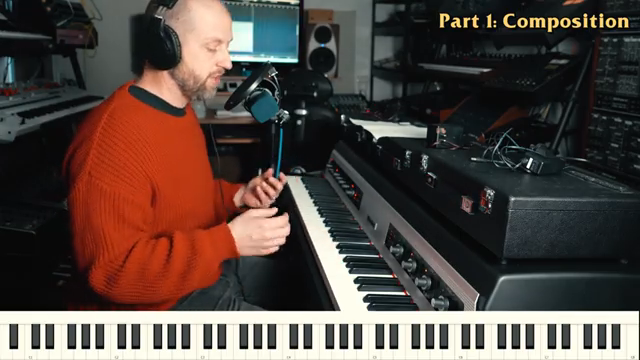
Alex Ball kicks things off with a bang, diving straight into the smoky, suspenseful world of 70s cop show music. If you’ve ever wanted your life to sound like a car chase through downtown, this is your jam. The Rhodes Mk8 takes centre stage, looking flashier than a disco ball at a footy club, and sets the vibe for the whole escapade.
Alex’s approach is all about capturing that drama-meets-funk energy. He’s not just here to noodle on some keys—he’s laying out the blueprint for music that’s equal parts tension and toe-tapping swagger. The intro is a cheeky nod to the era, promising a deep dive that’ll have you dusting off your aviators and prepping for action.
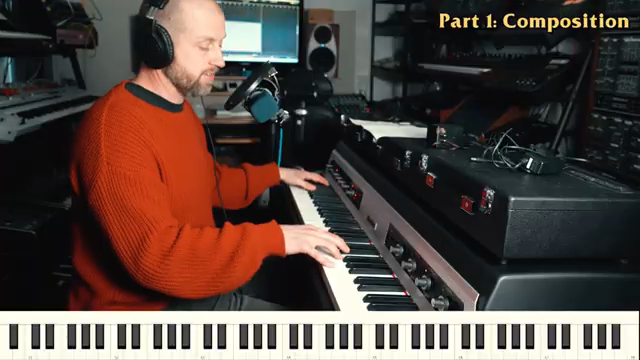
"They tell us that this is going to be dramatic and yet funky."
© Screenshot/Quote: Alexballmusic (YouTube)
Chromatic Climbs and Crunchy Chords: The Secret Sauce
"You want crunch and smush, you want lots of that semitone action going on, that's how you get this sound."
© Screenshot/Quote: Alexballmusic (YouTube)
Right out of the gate, Alex reveals the magic behind those iconic cop show themes: it’s all about chromatic climbs and harmonies that smack you like a magpie in spring. Forget boring major and minor chords—this is the land of smush, crunch, and polychords stacked like a meat pie with extra sauce. He shows how walking those top notes up chromatically, then building chords underneath, creates that signature tension and release.
It’s not just about theory, though. Alex encourages experimentation—stacking unrelated chords, spreading cluster notes across octaves, and using deliberate rhythmic shifts to keep things spicy. The result? Drama, funk, and a sense of urgency that’ll have you feeling like you’re about to bust a crime ring at the local servo.
Gear Parade: Drums, Bass, Guitars, and Brass
Alex doesn’t muck about when it comes to instrumentation—he lines up the essentials like a true pro. Drums are handled with Native Instruments’ Abbey Road 70s Drummer, tweaked for that dry, punchy sound before being run through Abbey Road vinyl and plate reverb for extra vintage grit. Percussion gets the royal treatment too, with VST bongos, timpani, and a box of shakers and tambourines adding that human touch.
When it’s time for bass, Alex goes old-school: direct input, a bit of saturation, and a synth double with bandpass filtering for clarity without muddying the mix. Guitars are recorded classic-style—valve amp, SM57, and a wah pedal that’s more expressive than a kangaroo on a sugar rush. He layers rhythm and octave parts, pans them wide, and keeps the low end tight.
Brass is the final piece of the puzzle, courtesy of Session Horns Pro. Alex gets hands-on with articulations, programming each part for realism and punch. He stacks melodies, counter-melodies, and stabs, using processing to carve out space and make those horns cut through like a chainsaw at a sausage sizzle. It’s a masterclass in arrangement and sonic layering.
Production Tips: Keeping It Real (and Retro)
Alex drops some golden nuggets for anyone chasing that authentic 70s sound. First up: keep your mix simple and your arrangement tight. He reckons 90% of the magic is in the composition, not endless plugin chains—if your parts aren’t fighting each other, you’re halfway there. When everyone hits the riff together, it sounds massive without needing to drown it in effects.
He also stresses the importance of thinking like a TV orchestra—limited tracks, real players, and disciplined overdubs. Don’t go overboard with layers; stick to a realistic ensemble and let the parts breathe. Alex’s own arrangement could be played by fewer than 20 people, which keeps things punchy and believable.
Mixing-wise, it’s all about minimalism: one plate reverb for the whole band, a bit of tape and vinyl flavour, and a focus on getting the vibe right at the source. If you want to hear how these tips work in practice, you’ll have to watch the video—there’s only so much 70s magic you can squeeze into text before you need to let your ears do the walking.
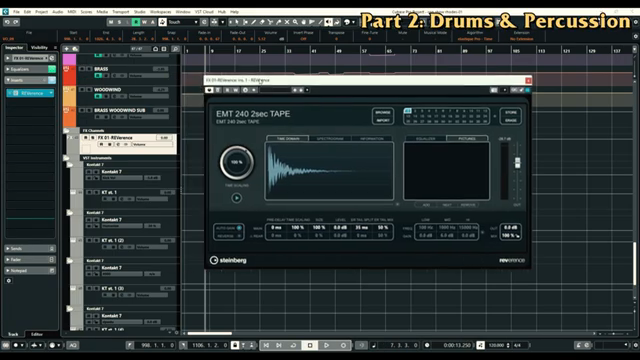
"I'm just going to have one reverb that I use on the mix for everything because that's the way they would have done it back in the day."
© Screenshot/Quote: Alexballmusic (YouTube)
The Big Reveal: Full Mix Showdown
After all the build-up, Alex lets the full mix rip—and mate, it’s a belter. Every element slots in like a well-oiled police squad, from the crunchy Rhodes to the swaggering brass. The groove is undeniable, and the vibe is pure 70s cop drama. If you want to hear the real punch and detail, do yourself a favour and check out the video’s finale—no written review can do justice to that final chase scene of sound.
This article is also available in German. Read it here: https://synthmagazin.at/alex-ball-und-der-70s-cop-show-sound-funkige-akkorde-knallige-blaeser-und-ein-rhodes-mk8-auf-streife/
Watch on YouTube:
Latest articles
Watch on YouTube:
Visit the channel:
https://www.youtube.com/AlexBallMusic
https://www.youtube.com/AlexBallMusic
Links from AlexBallMusic:
Patreon: https://patreon.com/AlexBallMusic
Bandcamp: https://alexball.bandcamp.com/releases
Instagram: https://instagram.com/alexballmusic
Facebook: https://facebook.com/alexballmusic
Alex Ball Music: https://alexballmusic.com
Sponsored links:
If you purchase via these links, we may earn a small commission – at no extra cost to you. The link opens an Amazon keyword search, and results may vary depending on availability.
CineSamples CinePerk
🔗 Check price on Amazon
🔗 Check price on Amazon
EMT 240 Plate Reverb
🔗 Check price on Amazon
🔗 Check price on Amazon
Ibanez RM 80
🔗 Check price on Amazon
🔗 Check price on Amazon
Native Instruments Abbey Road 70s Drummer
🔗 Check price on Amazon
🔗 Check price on Amazon
Native Instruments Session Horns Pro
🔗 Check price on Amazon
🔗 Check price on Amazon
Rhodes MK8
🔗 Check price on Amazon
🔗 Check price on Amazon
Shure SM57
🔗 Check price on Amazon
🔗 Check price on Amazon
Vox V846HW Wah Pedal
🔗 Check price on Amazon
🔗 Check price on Amazon
Waves Abbey Road Vinyl
🔗 Check price on Amazon
🔗 Check price on Amazon