The Minimoog Model D might look like a chunky relic, but in Alex Ball’s hands, it’s a proper sonic street weapon. This isn’t just another love letter to vintage synths—it’s a fast, punchy tour through the Model D’s gritty birth, circuit-melting sound, and its fight for analog supremacy against Oberheim and Roland. Expect sharp history, fat bass, and a few tales of synth mutiny. If you haven’t felt the Minimoog’s punch in your chest, you’re missing out.
3. July 2026
SPARKY
Alex Ball vs. The Minimoog: Vintage Mojo in a Box
When Synths Got Small and Mean
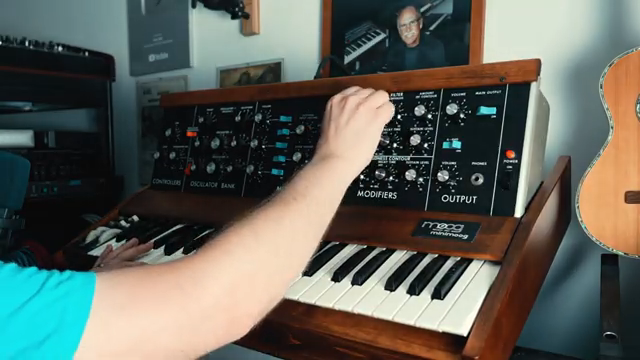
Let’s not beat around the bush: the Minimoog Model D didn’t just change the rules—it set the whole synth world on fire. Before this thing, synths were the size of a small car and about as easy to gig with. Then along came the Model D, compact enough to drag to a club, loud enough to shake the walls, and simple enough to use without a degree in patch cable origami.
It’s the original portable synth that put fat bass, screaming leads, and dirty filter sweeps right under your fingertips. No hidden menus, no plastic nonsense—just pure, raw sound. The Model D didn’t just make synths accessible, it made them dangerous. If you think modern grooveboxes are portable, remember: the Minimoog did it first, and with more attitude.
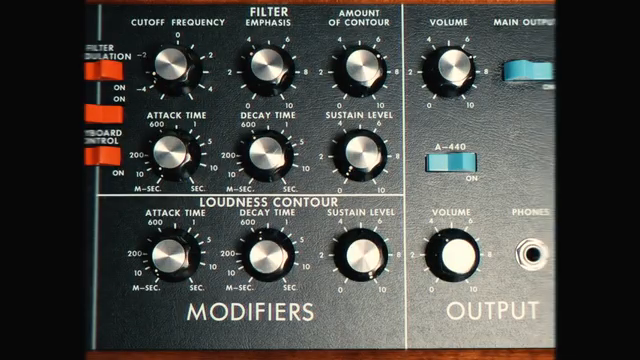
"The influence of the Mini-Moog is absolutely enormous and if I tried to list all of the musicians who used it and the records it's appeared on, we'd be here for several hours."
© Screenshot/Quote: Alexballmusic (YouTube)
Lunch Breaks & Mutiny: The Minimoog Origin Story
Alex Ball dives straight into the Minimoog’s twisted history, and it’s as juicy as a rave at an abandoned power station. Forget corporate design teams—this beast was born from engineer Bill Hemsath’s lunch break hacking sessions, cobbled together from spare parts and a lot of nerve. The Min-A and Min-B prototypes were scrappy, hands-on affairs—true kitchen-sink synth engineering.
But the real chaos kicked in when the Moog crew, tired of waiting for Bob’s green light, went full synth mutiny and pushed the Model D forward behind his back. It’s a story of risk, stubbornness, and the kind of DIY spirit that would make any underground producer proud. You want innovation? Sometimes it comes from ignoring the boss and building what feels right.
Sonic Street Weapon: What Makes the Minimoog Roar
"You've got a signal path that is actually too hot. They accidentally drove it too much and then were like, 'Do you know what? That sounds cool.'"
© Screenshot/Quote: Alexballmusic (YouTube)
This is where Alex Ball gets into the real meat: why the Minimoog punches so far above its weight. Those oscillators? Filthy and powerful—the sort of sound that makes your monitors beg for mercy. The infamous Moog ladder filter isn’t just a technical marvel; it’s the reason every analog synth since has been compared to this box.
But it goes deeper. The envelopes on the Model D are snappy and alive, adding a percussive edge that turns every patch into a living, breathing animal. And while it lacks frills like oscillator sync or PWM, Ball shows you can still wring out wild sounds with a bit of clever knob-twisting and phase trickery. If you want to really hear why this thing is legendary, you’ll need to catch the demos in the video—text can’t do justice to those chest-thumping tones.
From Prototypes to Perfection: Minimoog Variants
Not all Minimoogs are created equal, and Alex is quick to call it out. From the dangerous early prototypes that could fry you alive, to the more stable but slightly tamer later boards, there’s a whole saga of evolving circuits and shifting mojo. The sweet spot? Mid-’70s units: stable enough to stay in tune, wild enough to sound like a synth should. Forget the clinical later versions—if you want that raw Minimoog energy, look for the golden-era builds.
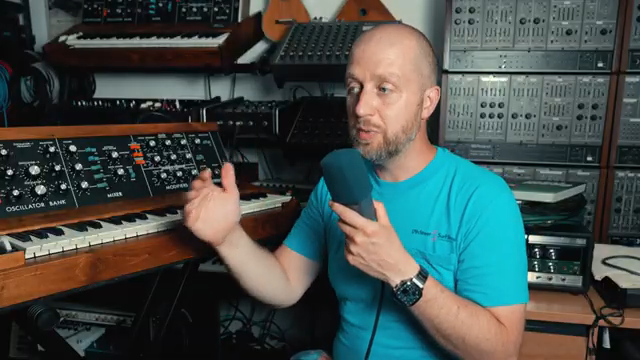
"There's a third oscillator board, which is the best in terms of tracking and scaling and stability, but it sounds the worst. It lost a bit of mojo."
© Screenshot/Quote: Alexballmusic (YouTube)
Showdown: Minimoog vs. the Studio Titans
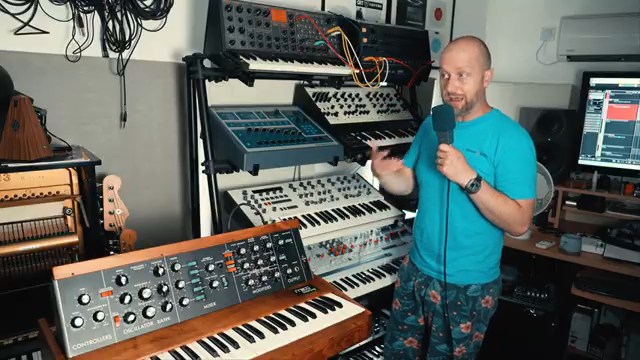
"And yet, for that straight to the solar plexus booth, it just hits so hard."
© Screenshot/Quote: Alexballmusic (YouTube)
Alex Ball isn’t afraid to throw the Model D into the ring with heavyweights like the Oberheim Two-Voice and the Roland System 100. On paper, those rivals have more voices, more features, and some stereo wizardry. But when it comes to pure, unfiltered analog punch, the Minimoog hits hardest. It’s a mono beast that knocks you back in the chair—no frills, just pure sonic assault.
This isn’t just nostalgia talking. In a head-to-head jam, the Model D’s sound bulldozes through, cutting straight to the gut. You want a synth that can hold its own in a studio full of legends? The Minimoog says, “I’ll take you all on.” Watch the riff-off for yourself—some things, like the sound of analog bonk at full tilt, just can’t be explained in words.
This article is also available in German. Read it here: https://synthmagazin.at/alex-ball-vs-minimoog-vintage-mojo-im-kasten/
More articles about these products:
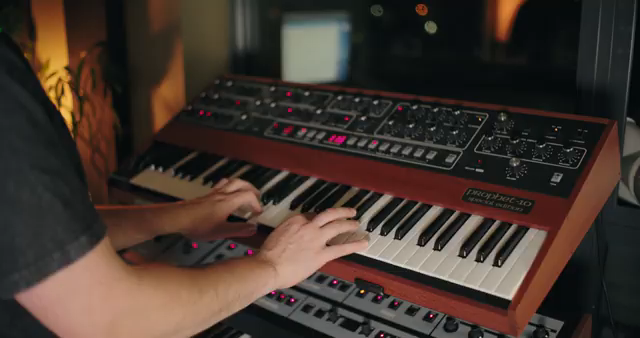 Devin Belanger’s Vintage Synth Obsession: Old Dogs, New Tricks, Zero Menus
 Moog Music in the Studio: Flight To London’s Analog Alchemy
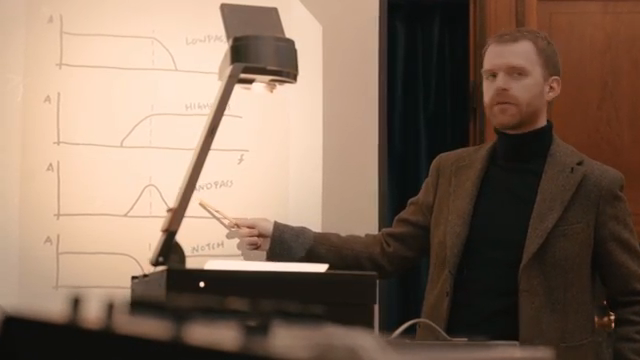 Moog Music and the Voltage-Controlled Filter: Sculpting Sound Since the Sixties
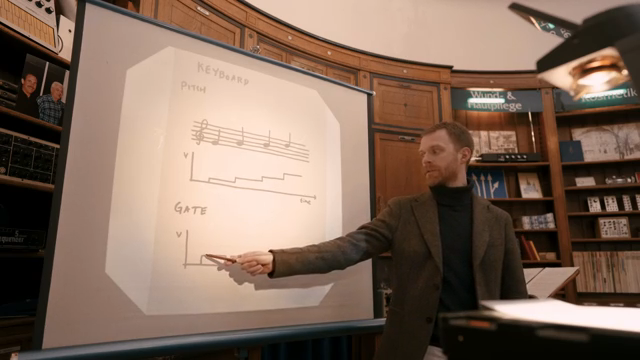 Moog Music Explores Synth Dynamics: From Voltage to Expression
 Moog Music’s Modular Origins: Listening, Voltage, and the Human Ear
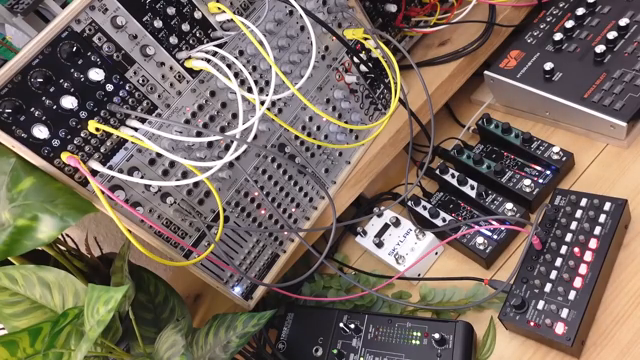 MonotrailTechTalk Delivers the Synth Gospel: Do You Really Need 3 Oscillators?
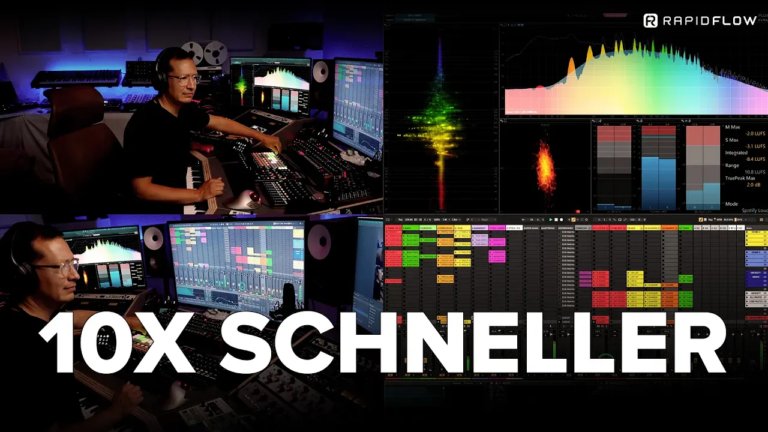 RapidFlow_Shop unleashes the workflow whirlwind in Ableton
Watch on YouTube:
Latest articles
Watch on YouTube:
Visit the channel:
https://www.youtube.com/AlexBallMusic
https://www.youtube.com/AlexBallMusic
Links from AlexBallMusic:
Patreon: https://patreon.com/AlexBallMusic
Bandcamp: https://alexball.bandcamp.com/releases
Instagram: https://instagram.com/alexballmusic
Facebook: https://facebook.com/alexballmusic
Alex Ball Music: https://alexballmusic.com
Sponsored links:
If you purchase via these links, we may earn a small commission – at no extra cost to you. The link opens an Amazon keyword search, and results may vary depending on availability.
Minimoog Model D
🔗 Check price on Amazon
🔗 Check price on Amazon
Oberheim Two-Voice
🔗 Check price on Amazon
🔗 Check price on Amazon
ROLAND System 100
🔗 Check price on Amazon
🔗 Check price on Amazon