1010music returns with Blackbox 2, a compact sampler for DAWless creation that redefines portable performance workflows. This official comparison video pits the new Blackbox 2 against the original, spotlighting the architectural and workflow upgrades. We dissect the touchscreen interface, track types, mixing flexibility, and how 1010music responds to real-world feedback. If you live for digital grooveboxes and modular integration, this is a deep-dive into the next standard for sample manipulation.
6. August 2026
LYRA
1010music Blackbox 2: Next-Gen Sampler Architecture Unveiled
Born for DAWless Performance
1010music positions Blackbox 2 as the evolution of their compact sampler line, built specifically for DAWless music production and live performance. The comparison video wastes no time establishing Blackbox 2’s mission: inherit the portability and flexibility of the original while pushing the workflow envelope.
Blackbox 2’s design is tightly focused on sample creation and manipulation in a computer-free setup, targeting artists who want professional results on the move. The device builds on the legacy of the original Blackbox, which has become a staple among producers and performers looking for a streamlined, tactile experience.
Emphasizing performance-readiness, Blackbox 2 aims to bridge the gap between spontaneous creativity and structured sequencing, making it a strong contender in the modern groovebox landscape.
Hardware Evolution: Screen, Connectivity, and Power
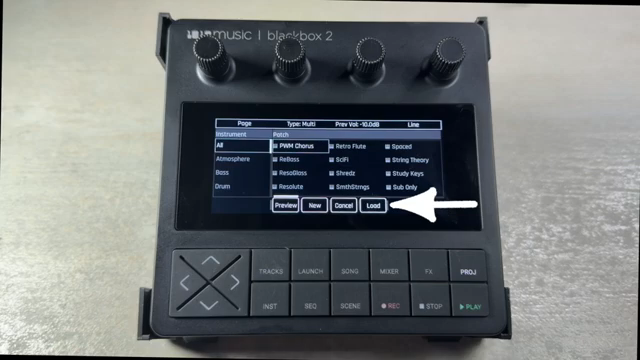
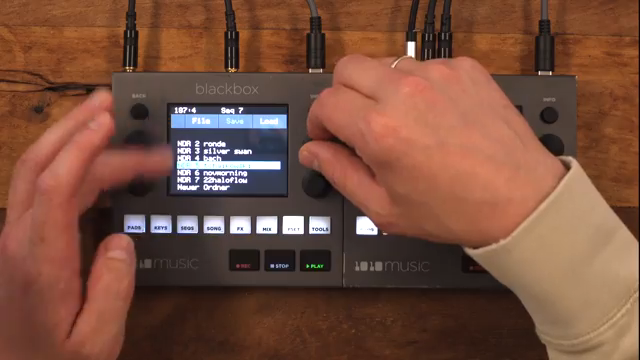
The hardware upgrades in Blackbox 2 are deliberate and significant. Most notably, the device features a four-inch, high-resolution touchscreen—an upgrade from the original’s three-and-a-half-inch display. This sharper, more detailed screen doesn’t just look better; it enables more information to be visible at once, making waveform editing and navigation more precise.
Connectivity leaps forward as well. USB-C replaces the original’s USB-A, supporting both host and device modes for audio and MIDI, while also allowing for card reader mode to simplify file transfers. MIDI flexibility is enhanced by auto-sensing TRS A/B compatibility, and the clock I/O is consolidated into a single assignable jack. Other ergonomic tweaks include VESA mounting threads and the addition of an internal rechargeable battery for up to four hours of operation—details that nod clearly to real-world, DAWless use cases.
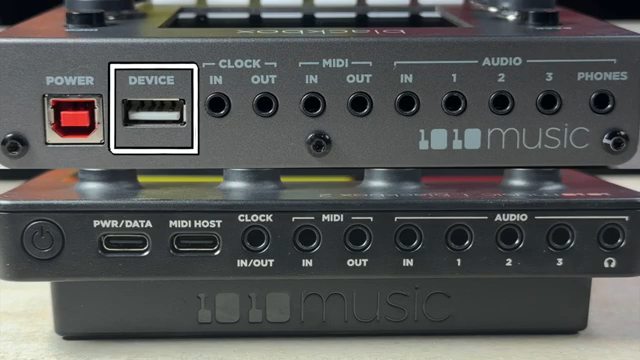
"Black Box 2 uses USB-C for both host and device, providing three stereo audio outputs, one stereo audio input, plus MIDI in and out."
© Screenshot/Quote: 1010Music (YouTube)
Track Types Reimagined: Slicers, Multisamples, and Workflow
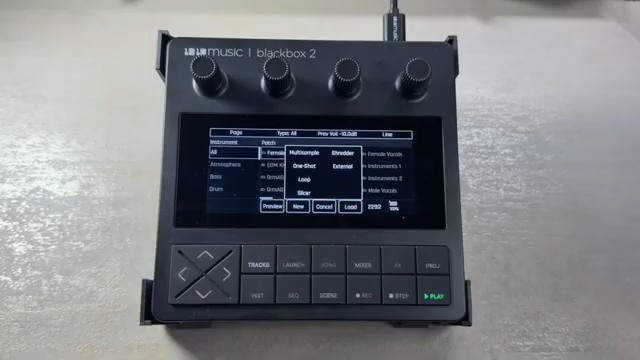
"On Black Box 2, slicers and multi-samples are now dedicated track types rather than settings within a pad."
© Screenshot/Quote: 1010Music (YouTube)
Blackbox 2 introduces dedicated track types for slicers and multi-samples, moving these options out of the pad settings and into standalone modes. This architectural shift simplifies instrument management and opens up new pathways for sample manipulation. Each of the four tracks can now hold a complete instrument—be it one-shots, loops, or multi-sampled patches—with each instrument managing up to sixteen samples or slices.
Track-centric sequencing replaces the original’s pad-focused approach. The new Sequencer View lets users work deeply within a single track, while the Launch view is designed for triggering entire sets. This not only streamlines workflow but also enhances creative control, especially when handling complex arrangements or switching between performance and composition.
Mixing, Routing, and Layering: More Control, More Output
Mixing and routing in Blackbox 2 have received a notable architectural overhaul. Each track now offers per-track control, expanding the possibilities for output assignments and enabling more granular arrangement strategies. Four tracks may play simultaneously, each handling either a sequence or a loop group, which contrasts with the sixteen pads of the original but trades raw polyphony for deeper track-level control.
New to Blackbox 2 are loop groups with tempo sync, and the ability for sequences to hold up to eight layers (up from four previously). This is complemented by improved scene and song chaining, as well as song export for capturing full arrangements. The piano roll now comes in several flavors, including a chromatic fold and an intuitive step sequencer, pushing the device further into performance and advanced composition territory.
A Modern Standard: Interface, Feedback, and Performance Tools
1010music clearly listened to its user base when designing Blackbox 2. The new interface is both visually modern and functionally streamlined, bringing together the most-requested features: battery power, unified USB-C audio/MIDI, and a higher-level approach to tracks and instruments.
Performance tools are more accessible, with fixed one-to-one MIDI mappings, new DJ-style effects, and greater flexibility in external control. The result is a sampler that builds on the original’s strengths while setting a new standard for portable, digital sample manipulation. For those who demand a compact, robust device for DAWless setups, Blackbox 2 is poised to become the new professional benchmark.
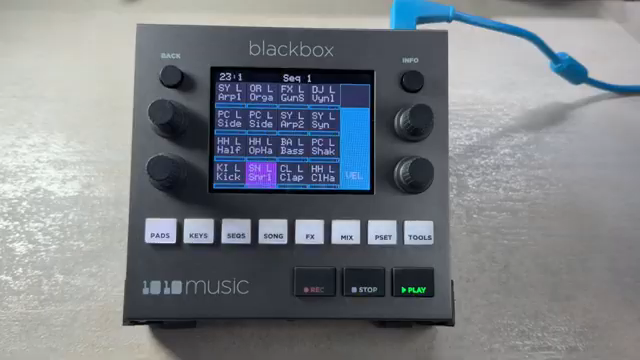
"Black Box 2 delivers what customers asked for most, including battery operation and USB-C with audio and MIDI over a single connection."
© Screenshot/Quote: 1010Music (YouTube)
This article is also available in German. Read it here: https://synthmagazin.at/1010music-blackbox-2-next-gen-sampler-architektur-im-ueberblick/
More articles about these products:
Watch on YouTube:
Latest articles
Watch on YouTube:
Visit the channel:
https://www.youtube.com/1010music
https://www.youtube.com/1010music
Links from 1010music:
website: https://1010music.com
instagram: https://www.instagram.com/1010_music
downloads: https://1010music.com/downloads
forum: https://forum.1010music.com
Sponsored links:
If you purchase via these links, we may earn a small commission – at no extra cost to you. The link opens an Amazon keyword search, and results may vary depending on availability.
1010music blackbox
🔗 Check price on Amazon
🔗 Check price on Amazon
1010music Blackbox 2
🔗 Check price on Amazon
🔗 Check price on Amazon