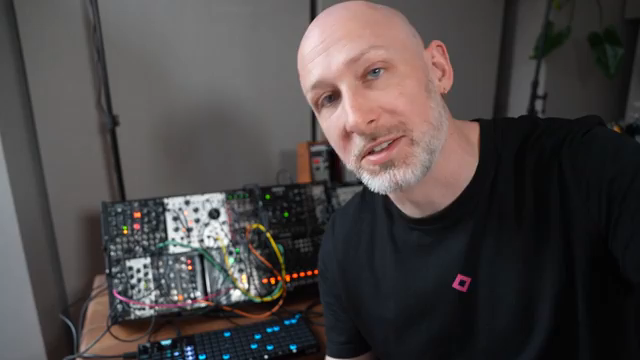
OscarUnderdog takes us on a rhythmic ride through nine killer sequencing techniques that every beatmaker needs in their arsenal. From classic x0x style to cutting-edge generative sequencing, this video is packed with insights that slap harder than a bass drum through a busted subwoofer. Perfect for anyone looking to level up their electronic music game!
15. April 2025
RILEY
OscarUnderdog Drops the Beat with Nine Sequencing Styles
303 style sequencer, Cthulhu, Euclidian sequencer, Eurorack system, x0x style sequencer
Snapping to the Grid: Classic Sequencing Styles
OscarUnderdog starts this journey by putting sequencing at the front and center of electronic music creation. He kicks things off with a nod to the old-school using the x0x step sequencer. This trusty tool lets you assign sounds across a grid of steps like a game of musical Battleship. It’s especially handy for percussion and rhythmical synths. Stepping it up a notch, he touches on the 303-style sequencing, adding pitch to the mix for those iconic acid sounds. Oscar explains how these classic methods are visually arresting, especially if you’re rolling with hardware, and how they translate into modern digital formats.
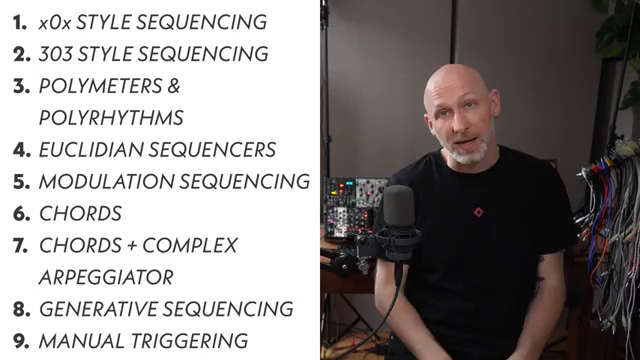
""Here's nine different sequencing strategies, and we're just going to give you a rundown of them all in a shallow way.""
© Screenshot/Quote: Oscarunderdog (YouTube)
Rhythmic Intricacies: Polymeters and Euclidian Sequences
""Polymeters... create this kind of circular, unstable, looping, kind of mathematical feeling.""
© Screenshot/Quote: Oscarunderdog (YouTube)
The video dives deep into the world of complex rhythms with polymeters and Euclidian sequences, which Oscar clearly loves. Polymeters, he explains, break the monotony of regular loops, creating a swirling, unpredictable groove like tossing a pizza dough in slow-mo. Euclidian sequencers, on the other hand, divide your bars into unequal, yet satisfying chunks, giving your tracks that dynamic hop. The visual and numerical play with Euclidean patterns is like musical Sudoku, delivering groovy percussive lines that keep your head nodding. Whether you’re a complete newbie or a seasoned pro, these techniques can breathe fresh life into your sequences.
Modulating Madness: Creative Control
Oscar moves into the realm of modulation sequencing, a staple for the synth geeks out there. It’s like turning your music into a living thing, with each step influencing parameters like filter cutoff or effect levels. Oscar gives props to the Eurorack aficionados, hinting at the hands-on joy of twist-and-tweak. But fear not, digital producers – Oscar has tips to bring this organic feel to software-based setups too. The beauty of modulation sequencing is its ability to create dynamic shifts and textures that are ever-evolving, adding a layer of unpredictability that can transform any track.
""Modulation sequencing is incredibly powerful.""
© Screenshot/Quote: Oscarunderdog (YouTube)
Chordal Innovation: From Progression to Complexity
Next up, our man Oscar breaks down chord progression sequencing and its more complex cousin, the chords-plus-arpeggiators method. With a quick hop over the piano roll, he reveals the magic of building emotional stacks of chords, fitting them into a rhythmic framework. Then it’s onto arpeggiators, which he compares to a musical kaleidoscope, fracturing those chords into intricate patterns. Oscar’s excitement for Cthulhu shines through as he discusses using these tools to create more than just the usual arpeggios – we’re talking rhythmical cells with a touch of polymetric flair. The resulting soundscapes are both musically and emotionally rich, digesting the predictable into the unexpected.
Generative Sequencing: Letting Go of Control

""Generative sequencing is where you set out a set of rules for how a sequencer should behave.""
© Screenshot/Quote: Oscarunderdog (YouTube)
Oscar hits the stage with generative sequencing, a style that values randomness and rules over structured perfection. Here, it’s all about setting parameters and letting the sequencer find its groove. Oscar highlights the charm of leaving things to chance, akin to freestyle jazz improv where chaos breeds creativity. Using tools like Fossion, he demonstrates how even random 303-styled patterns can yield surprising results. While it’s not his usual cup of tea, Oscar acknowledges the potential for happy accidents that can spark new ideas and unexpected directions.
The Human Touch: Manual Triggering
In a world dominated by automation, Oscar returns us to the roots with manual triggering. This hands-on approach is like squeezing fresh lime on a street taco – it’s all about that personal touch. Manually playing means embracing imperfection, allowing for a human element in our electronic compositions. Oscar emphasizes the depth and feel that live play brings to sequenced music. Whether you’re hammering keys or tapping drum pads, it’s this connection with our instruments that can breathe unexpected dynamism into our tracks. In essence, manual triggering is about keeping it real amidst a sea of sequenced precision.
This article is also available in German. Read it here: https://synthmagazin.at/oscarunderdog-haut-mit-neun-sequenzierungsstilen-auf-die-pauke/
Latest articles
Watch on YouTube:
Visit the channel:
https://www.youtube.com/OscarUnderdog
https://www.youtube.com/OscarUnderdog
Links from OscarUnderdog:
underdog.brussels: https://underdog.brussels
Underdog instagram: https://instagram.com/oscarunderdog
Underdog facebook: https://facebook.com/underdogbrussels